
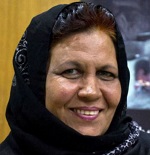
1TV: Aqeela Asifi, An Afghan refugee woman is among 10 finalists in an international competition to find the world’s best teacher. Asifi set up a school soon after she fled war in Afghanistan more than two decades ago in the Kot Chandana village in Punjab of Pakistan. She started her school in a borrowed tent in a conservative community. She has 1,500 pupils in her school, majorly attended by girls, according to Varkey Foundation which said two of her former pupils have opened schools for girls in Afghanistan. Click here to read more (external link).
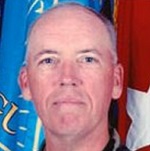
Former Guantánamo Chief Summoned by French Court Over Torture Allegations
Common Dreams: General Geoffrey Miller presided over the U.S. military prison in Cuba from 2002 to 2004, after then-President George Bush approved of ‘enhanced interrogation’ techniques including waterboarding. General Geoffrey Miller earned the nickname ‘King of Guantanamo’ for introducing waterboarding to the U.S. military prison in Cuba. Click here to read more (external link).

Afghanistan’s Lonely Hearts Call ‘Emergency’
The Wall Street Journal: In the age of Facebook and online dating, some Afghan men are still looking for love in an old-fashioned way—by calling the emergency-services hotline. Click here to read more (external link).
Inside The Last Refuge For Afghanistan’s War Wounded
The World Post: Ever since a U.S. attack in October destroyed the Kunduz hospital — the only trauma center like it in the country’s north — Afghans now have to travel 200 miles to the Emergency Hospital in Kabul to receive life-saving treatment. The journey takes hours, sometimes days by car, much of it on a worn-out, snaking mountain route prone to avalanches and rockslides that passes through the Hindu Kush mountains. Click here to read more (external link).
Killer of female journalist murders his wife in Balkh prison
Khaama Press: According to the local government officials, the victim (suspect’s wife) visited the prison to meet her husband who has been serving in connection to the murder of a journalist since last year. The provincial security chief Abdul Raziq Qaderi said the incident took place on Thursday and the suspect was looking to commit suicide as well after killing his wife. Click here to read more (external link).
Gulab Mangal Defends Controversial Dand-e-Ghori Deal
Tolo News: Minister of Borders and Tribal Affairs Gulab Mangal on Saturday defended the controversial Dand-e-Ghori deal and said that the agreement led to peace in Baghlan province. The statement comes after Mangal came under fire from critics recently over the signing of the controversial deal with the Taliban. Critics have blasted officials for having signed a deal they claim led to the sharp rise in insecurity in the area. Click here to read more (external link).
3,000 Militants Active In Kunduz: Officials
Tolo News: Officials said that a large-scale military operation has been launched in Kunduz and that up to 3,000 militants, including about 200 foreigners, are currently active in the province. They said that militants have expanded their activities to the outskirts of Kunduz city, the center of the province. Click here to read more (external link).
Afghanistan defeats Oman by 3 wickets in Asia Cup qualifier match
Khaama Press: The Afghanistan national cricket team defeated Oman by 3 wickets during their second appearance in Asia Cup qualifier match today. Click here to read more (external link).
Bodies Of Seven Asylum Seekers Returned To Kabul
Tolo News: The bodies of seven Afghan asylum seekers, drowned in Turkish waters this week, have been returned to Kabul but the bodies of five other migrants are still missing, said officials. The bodies were laid to rest in Kabul on Saturday. Click here to read more (external link).
Afghan Official: Power To Be Restored Soon In Kabul
Radio Free Europe/Radio Liberty
February 20, 2016
Electricity is expected to soon be restored in the Afghan capital, weeks after insurgents destroyed cables from Uzbekistan providing power to Kabul.
Wahidullah Tawhidi, spokesman for the Afghan electricity directorate, said on February 20 that the military had cleared Taliban-linked fighters from the area of northern Baghlan Province where the cables were cut.
Engineers had begun to reconnect some of the cables and the work should be finished within five days.
Kabul’s 5 million or so inhabitants are used to rationing and frequent power cuts that often last several hours, especially during winter.
However, the latest blackouts, which began in late January, mark some of the worst the capital has seen since the demise of the Taliban regime in 2001.


