
Kabul University and Arts
Lapis Lazuli Project to create vibrant transit route for Afghanistan
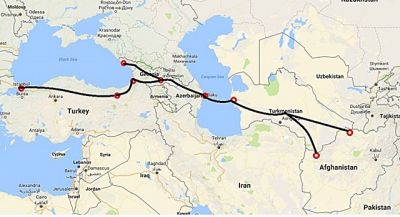
Lapis Lazuli corridor
Neelapu Shanti via Economic Times: The Lapis Lazuli transit corridor aims to lower trade barriers, reduce transaction costs, improved cross-border governance through harmonization, increased trade and transit and enhanced regional cooperation. The corridor will function under the framework of Transport International Routier (TIR) carnet. India provides best market for Afghanistan. If India shows interest in joining the Lapis Lazuli transit corridor it will boost the intra-regional trade value in the context of growing regional share in global trade. Click here to read more (external link).
Related Articles
- President Ghani Inaugurates Lapis Lazuli Corridor
- Afghanistan Sends First Set of Cargo Trucks to Europe via Lapis Lazuli Route
Related Video
Protesting Candidate Wants Allegations Cleared
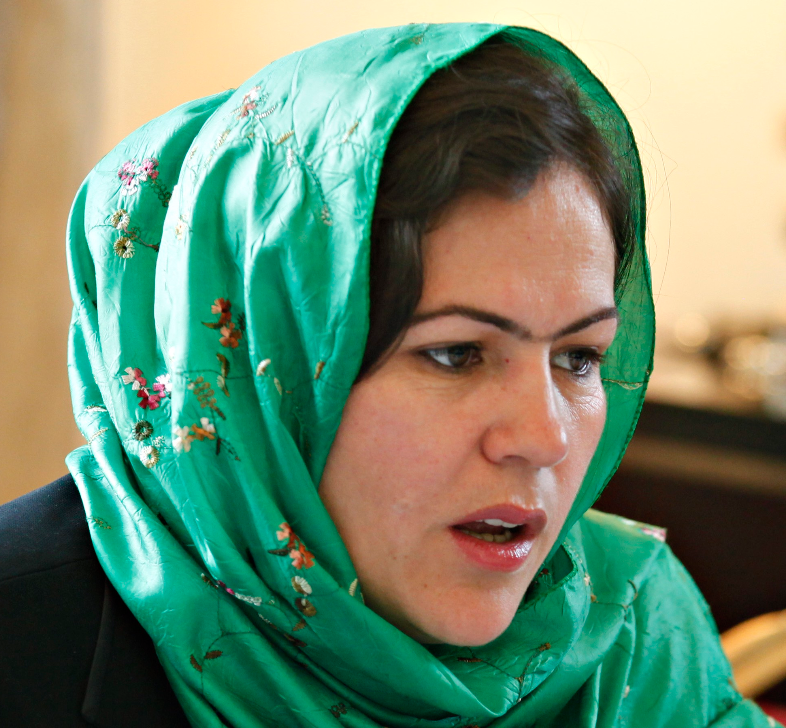
Koofi
Tolo News: Fawzia Kofi, an incumbent lawmaker and a protesting candidate, whose name was dropped from the final lists of parliamentary candidates in August, says she wants the allegations against her cleared, otherwise those who have decided to reject this nomination should be punished. Click here to read more (external link).
Related
Afghanistan Faces Severe Water Shortage: Osmani
 Tolo News: Former minister of water and energy Ali Ahmad Osmani on Thursday said Afghanistan faces a severe water shortage in the northern water zone and in the Harirod river water zones. Meanwhile Najib Aqa Fahim, state minister for natural disasters management has said that a lack of better water management of the country has led to a water shortage even in the neighboring areas of Helmand river. Click here to read more (external link).
US-Trained Afghan Pilots Conduct First Nighttime Airstrikes
VOA News | December 13, 2018: The Afghan ministry of defense Wednesday released footage of a series of nighttime airstrikes carried out by Afghan security forces. Afghan officials told VOA the airstrikes were carried out in southern Uruzgan province against Taliban hideouts. The recent strikes mark the first time U.S.-trained Afghan pilots are carrying out airstrikes at night. VOA’s Mohammad Habibzada reports.
Afghan workers will get work permits in UAE
Pakistan Hosts Regional Meeting on Countering Afghan Opiates
 Ayaz Gul
VOA News
December 12, 2018
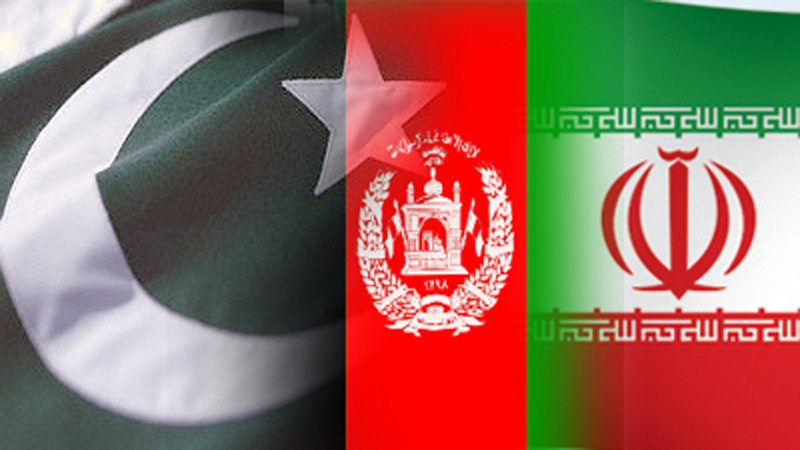
ISLAMABAD — Pakistan, Afghanistan and Iran have pledged to increase cooperation and information-sharing for effectively combating the trafficking of Afghan opiates.
War-shattered Afghanistan remains the world’s largest producer of opium, though the U.N. Office on Drugs and Crime noted in its latest survey the opium cultivation decreased by 20 percent in 2018 due to a severe drought and reduced prices.
The illegal opiates are largely smuggled to international markets through Pakistan and Iran.
Need for more initiatives
Afghan, Pakistan and Iranian counternarcotics officials concluded their two-day UNODC-facilitated interaction Wednesday in Islamabad, where delegates underscored the need for more efforts against the massive flow of illicit drugs.
Participants at the “Triangular Initiative” meeting called for timely sharing of information and conducting simultaneously interdiction operations along their shared largely porous borders.
The forum was established in 2007 with a mission to promote regional cooperation to reduce the poppy cultivation, trafficking, and consumption of drugs in the region and beyond.
Officials acknowledged that despite Afghanistan’s political tensions with Pakistan and Iran anti-drugs cooperation largely continues.
Renewed attitude
Cesar Guedes, UNODC representative in Pakistan, noted the three countries attended the Islamabad meeting with “a revived attitude and role”, raising prospects for more effective counternarcotics efforts in 2019.
“More needs to be done because the level of [Afghan opium] production has also increased. They need really to coordinate closer in their joint efforts,” he told VOA
Guedes also called for increased international assistance, saying Afghanistan, Pakistan and Iran alone cannot curb the menace of drugs.
“This has to be done in the framework of shared responsibility. All the countries, producers, consumers and transit need to join the effort,” he said.
Despite many challenges facing the government, the head of the Afghan delegation said authorities have taken significant steps to eradicate drug trafficking.
US assistance
Director General for Policy Planing at the Afghan Ministry of Narcotics, Mohammad Osman Frotan, said 89 percent of poppy cultivation this year has taken place in the Afghan provinces most hit by insurgent activities. He said counternarcotics authorities during 2018 have seized more than 433 tons of different types of drugs, and arrested and prosecuted almost 4,000 suspects.
The United States has spent more than $8 billion in the past 17 years to assist Afghanistan in eradication efforts. But the effort has failed to stop opium production, which increased to record highs and stood at an estimated 9,000 tons in 2017. Critics blamed insecurity, rampant corruption and patronage by influential Afghans for the unprecedented growth.
Red gold: Afghanistan saffron production grows
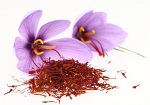 Phys.org: The spice is being exported to 17 countries through new air corridors, mainly to China, India, and the Gulf countries, and to a lesser extent to the European Union and North America, says the agriculture ministry “Afghanistan’s saffron, based on its organic nature, it is better than other saffron in the world,” claimed Abdul Shukoor Ahrari, director of Tila-e-Surkh Afghan (“Afghan Red Gold”), one of the country’s main processing sites. Click here to read more (external link).
Related Video
Afghanistan to send 135 tonnes in first trade convoy to Europe through Lapis Lazuli corridor
Lapis Lazuli corridor
1TV: Afghanistan’s first trade convoy is set to leave for Europe through Lapis Lazuli route on Thursday. The convoy will carry 135 tonnes of commodities. The route begins in Aqina and Turghundi ports in the Afghan provinces of Faryab and Herat and crosses Turkmenistan, Azerbaijan, Georgia and Turkey. It involves road, rail, and maritime transport. Click here to read more (external link).
Related