
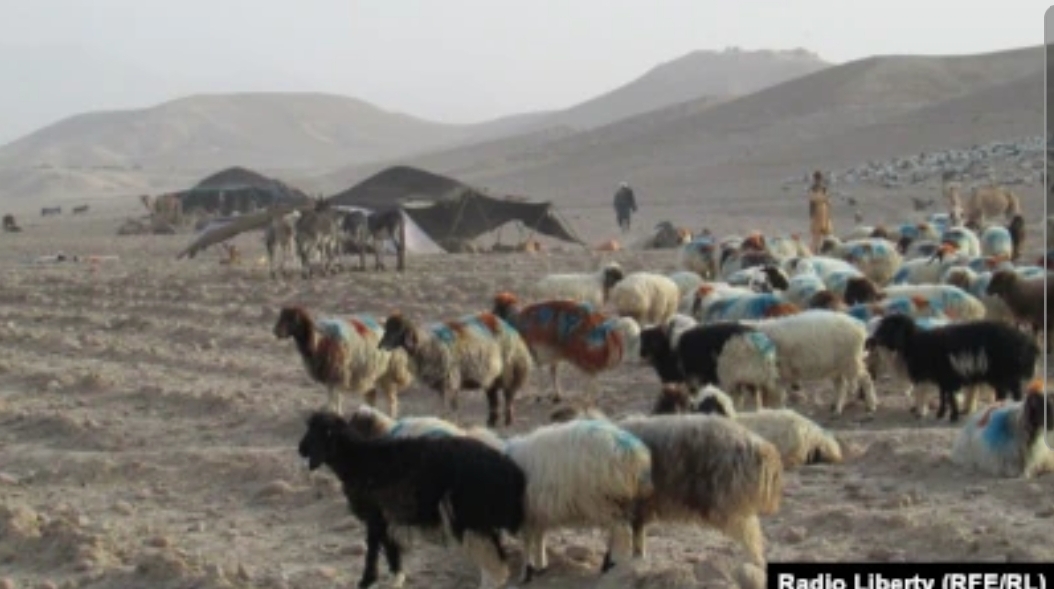
A Kuchi camp (file photo)
8am: Following the Taliban’s coercion of Hazara people to pay reparations to the Kuchis (nomads), residents of three villages in Nawur District, Ghazni Province, are now compelled to pay five million Afghanis each. This decision was made based on the claims of a Kuchi individual who alleges that ten years ago, 230 of his sheep went missing in the border areas of Nawur and Jaghatu districts, and the residents of these three villages were involved in the incident. Subsequently, the Taliban arrested and tortured 17 individuals from these villages. Sources report that the Taliban have been holding these individuals in humid places, subjecting them to daily beatings. Now, the residents are forced by the Taliban to pay five million Afghanis to the Kuchi individuals to resolve this issue. It is worth noting that Hazara communities have previously been coerced into paying substantial reparations to Kuchis through various means of intimidation. Click here to read more (external link).
Related
 Ariana: Afghanistan Chamber of Commerce and Investment (ACCI) says the closure of Torkham crossing into Pakistan has cost the economy millions of afghanis (AFN) over the past three days. The closure of the border came at a crucial time specifically for exporters of fresh produce, especially fruit. The ACCI said the longer the trucks sit at the closed crossing the more produce perishes. “This is not the first time that we are treated like this at the border. We request the governments of Afghanistan and Pakistan to find a solution to this issue,” said Khanjan Alkozi, a member of the ACCI.
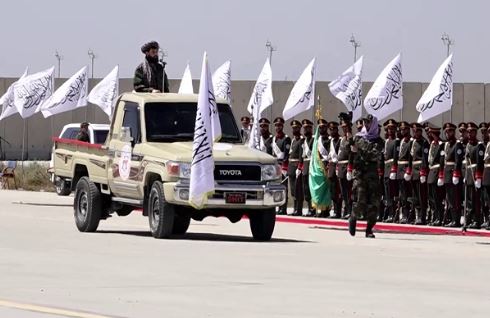 8am: The Taliban are heavily influenced by Pashtunwali (a Pashtun code of conduct) that considers Pashtuns as the supreme race and women as the property of men, ignoring their rights. They are also greatly influenced by Deobandi, a radical version of political Islam that considers other religions heresy subject to eradication. These two factors hinder the Taliban from reconciling with Afghan society and limit their ability to establish relations with transnational actors.
 VOA News


 Akmal Dawi