
 Ayaz Gul
VOA News
January 3, 2024
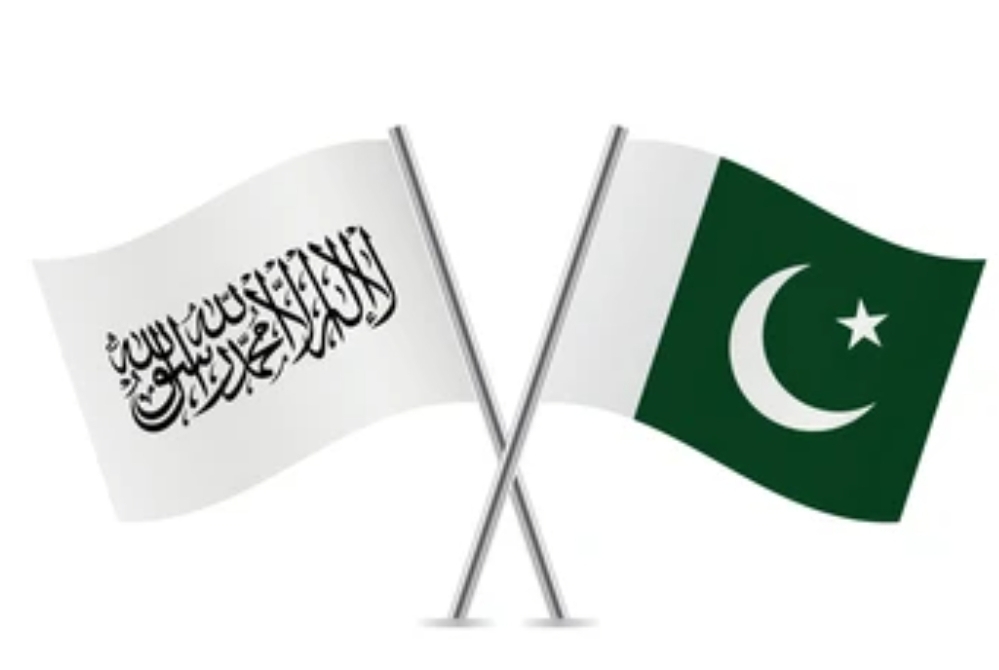
ISLAMABAD — A high-powered delegation from Afghanistan’s ruling Taliban held crucial talks with Pakistan officials Wednesday in a bid to ease tensions stemming from a surge in deadly cross-border attacks blamed on terrorists based on Afghan soil.
Officials said Mullah Shirin Akhund, an influential Taliban leader, led his team of defense ministry and intelligence representatives at the meeting convened in Islamabad under what is known as the Joint Coordination Council. The council was established to address border management and related security issues facing the two countries.
Pakistani officials say that fugitive militants linked to anti-state Tehrik-i-Taliban Pakistan, or TTP, and allied groups have intensified cross-border attacks with “greater operational freedom” since the Islamist Taliban regained control of Afghanistan more than two years ago.
In 2023, TTP-led bombings and gun attacks killed nearly 1,000 Pakistanis, half of them security forces, nationwide, marking the highest number of fatalities in six years.
Officials in Islamabad maintain TTP leaders moved their operational bases to Afghan border provinces after the Taliban returned to power.
Taliban authorities reject allegations the TTP or any other groups are being allowed to threaten other countries, including Pakistan, from Afghan soil. They have repeatedly advised Islamabad not to blame Afghanistan for Pakistan’s “internal” security challenges.
Akhund is the governor of Kandahar province, which borders Pakistan. He is a known close associate of the reclusive Taliban chief, Hibatullah Akhundzada, who is also based in and governs the country from Kandahar through his male-only Cabinet in Kabul, the Afghan capital.
Taliban officials recently announced the arrest of dozens of TTP members in Afghanistan. They have also said during recent interactions with visiting senior Pakistani officials that they plan to move TTP members away from Afghan border areas and eventually “disarm” them.
But Pakistani officials have said they could not ascertain the veracity of the claims by Kabul. They were expected to press Taliban delegates during this week’s talks to hand over TTP leaders to Islamabad.
“Evidence about the crackdown on TTP is not visible,” a senior Pakistani official told VOA in the run-up to Wednesday’s meeting with the Afghan Taliban.
“If the Taliban are serious, then they should disarm the TTP cadres and detain their leadership, who are about a dozen persons,” said the official, who spoke anonymously because he was not authorized to discuss the matter publicly.
Pakistan says Afghan Taliban fighters have also participated in or facilitated some of the recent TTP-led attacks.
Pakistani Prime Minister Anwaar-ul-Haq Kakar said in a statement last month that at least 16 Afghan nationals have conducted suicide bombings inside his country, while another 65 were killed by Pakistani forces in counterterrorism operations.
In October, Kakar ordered a crackdown on at least 1.7 million undocumented Afghans in the country, forcing more than 500,000 individuals to cross back into Afghanistan.
The TTP, a globally designated terrorist organization, emerged in Pakistan’s traditionally volatile border areas in 2007 and has since routinely claimed responsibility for deadly attacks on security forces and civilians.
The militant group provided shelter and recruits to fugitive Taliban leaders as they directed years of insurgent attacks on the Afghan side of the border, targeting U.S.-led Western troops until they departed Afghanistan in August 2021.
Pakistan’s military was also persistently accused of supporting the Taliban insurgency against foreign forces and helping them retake power, accusations Islamabad rejects.
 8am: Following increased pressure from the Taliban on women and girls in Afghanistan, numerous cases of detention and torture have been reported in Kabul, particularly on charges related to “improper veiling.” Reliable sources in Kabul have confirmed that armed Taliban fighters, including women, forcibly apprehended and relocated many girls from areas like Pul-e Surkh to the Qala-e-Naw area in Dasht-e Barchi and several northern districts of Kabul over the past two days. Women and girls in Kabul emphasize that these detentions go beyond non-compliance with the Taliban-prescribed hijab; rather, women are being arrested for protesting and challenging the group’s authorities. In contrast, insider information indicates the initiation of a settlement program against women not conforming to the “Taliban-style hijab” across Kabul.
 8am: In a late-night incident on Tuesday, January 2, the Taliban governor’s office in Badakhshan province was targeted in a rocket attack, as reported by local sources. The attack unfolded at approximately 11:30 pm in the heart of Badakhshan, with the projectile striking the entrance gate of the “Badakhshan Provincial Authority,” as per corroborated reports from the Hasht-e Subh Daily. After the assault, sources from the Badakhshan Provincial Hospital revealed that two Taliban fighters sustained injuries and were promptly admitted for medical treatment.

 Khaama: In a series of T20 cricket matches, the Afghanistan national cricket team defeated the United Arab Emirates national team by a margin of four wickets. The match took place on Tuesday in the city of Sharjah, and the players from Afghanistan managed to overcome the United Arab Emirates team. Following this series, the Afghanistan national team is scheduled to travel to India to commence a series of T20 matches on January 11.
 8am: Former military personnel, under the rule of the Taliban regime, find themselves caught between the vengeful acts of this group and severe poverty. Some former security forces members state that the looming threat of death, extrajudicial courts, detainment, and torture by the Taliban shadows them, exacerbating hunger and Unemployment, further complicating their livelihoods. Many of these forces are now pursued and detained by the Taliban on charges of affiliations with anti-Taliban fronts.

