
 By RFE/RL’s Radio Azadi
November 8, 2025
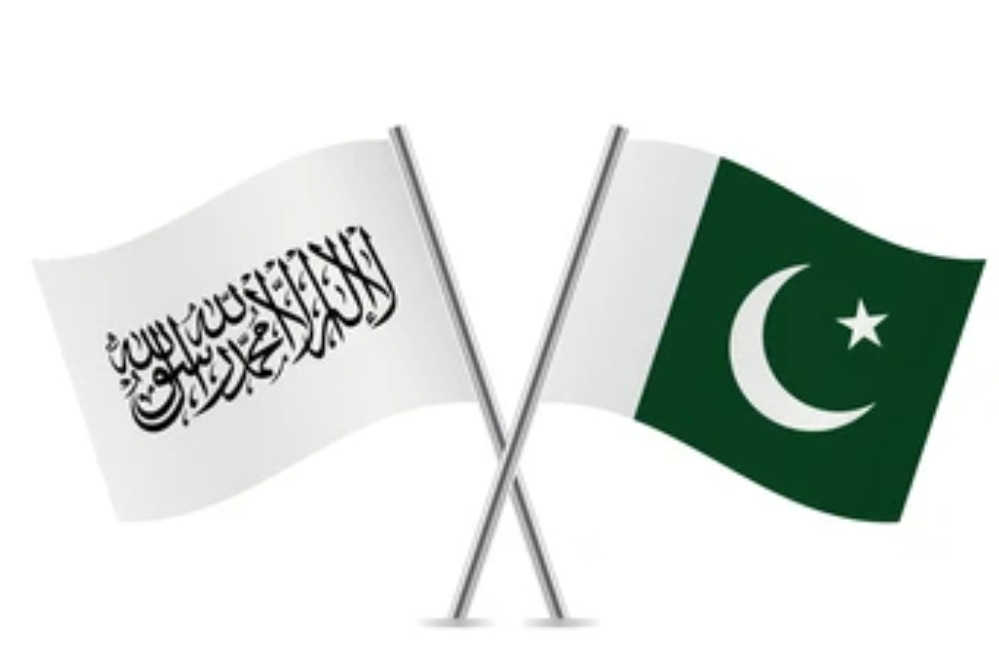
Peace talks in Istanbul between Pakistan and Afghanistan’s hard-line Islamist Taliban rulers have ended with no deal, but a cease-fire between the neighboring countries will continue.
The Taliban’s chief spokesman, Zabihullah Mujahid, blamed the collapse of the talks on the Pakistani delegation’s “irresponsible attitude and lack of cooperation.”
Writing on X, Mujahid accused Islamabad of “showing no readiness to assume any responsibility for Afghanistan’s security, or even for its own.”
He added that the cease-fire “has not been violated by us so far, and it will continue to be observed.”
Multiple rounds of talks brokered by Turkey and Qatar have been held in Istanbul since last month. The latest talks were held on November 6-7 and were led by Abdul Haq Wasiq, the Taliban intelligence chief, and Lieutenant General Asim Malik, head of Pakistan’s Inter-Services Intelligence.
Earlier, Pakistani officials — including Defense Minister Khawaja Asif — also said the Istanbul talks failed, adding, “There are no plans for further negotiations.”
Asif warned that if Afghanistan’s territory is used to attack Pakistan, the cease-fire will end.
He had previously warned that failure to reach a deal could lead to “open war.”
The latest round of Taliban-Pakistan talks in Istanbul faced problems from the outset; for example, an exchange of fire on November 6 in Spin Boldak between Taliban soldiers and Pakistani forces.
Although both sides accuse the other of starting the shooting, local reports say civilians in Spin Boldak suffered heavy losses.
At least five civilians, including four women, were killed there, and six others were wounded.
October’s bloody clashes between Pakistan and the Taliban, in which at least 50 Afghan civilians were killed and about 450 wounded, were halted through Qatari and Turkish mediation, and the two sides announced a cease-fire.
Pakistan also confirmed the deaths of at least 23 soldiers and injuries to 29 others.
The violence erupted following explosions in Kabul on October 9 that the Taliban authorities blamed on Pakistan.
Once close allies with a 2,600‑kilometer shared border, the two sides have fallen out amid Islamabad’s claims that Afghanistan shelters militant groups, including the Tehrik‑e Taliban Pakistan (TTP). Pakistan alleges that the Taliban authorities are allowing the TTP to use Afghan territory as a training and logistics hub for attacks inside Pakistan. The Taliban government denies the allegation.
Copyright (c) 2025. RFE/RL, Inc. Reprinted with the permission of Radio Free Europe/Radio Liberty, 1201 Connecticut Ave NW, Ste 400, Washington DC 20036.
More
- Afghan borders minister calls Pakistan’s Khawaja Asif a ‘mentally ill’ person
- Durani: Continued Dialogue the Only Solution between Pakistan and the Taliban
- Istanbul Talks Collapse; Pakistani Minister Warns Pakistan Will Use All Options to Protect Its People
- Indian Defense Minister: Afghanistan-Pakistan issues should be resolved bilaterally, India has no role

 The Diplomat: Afghanistan’s rugged terrain will make a potential ground war between Pakistan and the Taliban a hard one for Islamabad to win. Afghanistan could bleed Pakistan, leaving it struggling to recover from the damage inflicted over an extended period.
  DW: Many thousands of Afghans are being forced to give up their lives and livelihoods in Pakistan and move to a country that feels more foreign than the one they are leaving behind.
 Amu: A suspected suicide bomber was killed early Friday morning near a traditional buzkashi field in Kunduz City, according to Taliban police spokesman. Jumauddin Khaksar, spokesman for the Taliban police command in Kunduz, said the blast occurred at around 7:30 a.m. local time in the Shahrak-e Sar Darrah area of Police District 8. He said the attacker detonated explosives prematurely and died at the scene. No other casualties were reported. The Taliban, who now rule Afghanistan, have faced growing security challenges from extremist groups such as the Islamic State Khorasan Province (ISIS-K), which has carried out attacks targeting Taliban officials and civilians since their return to power in August 2021.
 Amu: Afghanistan continued their strong form at the Hong Kong Sixes 2025 tournament, securing a commanding 49-run win over South Africa to mark their second consecutive victory. This latest victory puts Afghanistan in a strong position in the group stage, having already beaten Nepal earlier in the day. They will now look to carry their momentum forward as they progress in the tournament.