
 Ayaz Gul
VOA News
November 29, 2023
ISLAMABAD, PAKISTAN — A senior Taliban government official has stated its representatives have taken control of Afghanistan’s diplomatic missions in India, including the embassy in New Delhi.
Shir Mohammad Abbas Stanekzai, the Taliban deputy foreign minister, has told Afghan state-run television that the embassy in the Indian capital would reopen in the next couple of days.
His assertions came after diplomats loyal to the U.S.-backed ousted Afghan government announced last week they were permanently shutting down the embassy over alleged lack of cooperation from the host country, among other issues.
“Our consulates in Mumbai and Hyderabad are functioning and in contact with the Ministry of Foreign Affairs [in Kabul] and delivering routine consular services,” Stanekzai said in his interview the RTA aired on Tuesday.
He added that consuls at both missions moved to New Delhi earlier this week and reopened offices at the Afghan embassy. “God willing, our embassy will resume regular services in two to three days.”
The Islamist Taliban reclaimed power in Afghanistan two years ago, but India and the world at large have not granted them diplomatic legitimacy, mainly over human rights conners and their harsh treatment of Afghan women.
Last Friday, the Afghan embassy posted a statement on X, formerly known as Twitter, saying the mission was shutting down and the keys had been given to the host government. It alleged pressure from both India and the Taliban had forced the decision.
“Unfortunately, despite an eight-week wait, the objectives of visa extension for diplomats and a shift in the Indian government’s conduct were not realized,” the statement quoted the then-Ambassador Farid Mamundzay as saying.
It noted that Afghan diplomats had reached third countries, and none remained in India. They are reportedly seeking asylum in the U.S. and Europe.
“The only individuals present in India are diplomats affiliated with the Taliban, visibly attending their regular online meetings,” the embassy said, without discussing the status of the consulates in Mumbai and Hyderabad.
The Indian foreign ministry so far has not commented on the status of the Afghan diplomatic missions in the country.
India is among the more than a dozen countries that have kept open or returned to reopen their embassies in Afghanistan after the Taliban takeover. They included neighboring Pakistan, China, Iran, and Russia.
These countries also have allowed Taliban diplomats to take charge of Afghan diplomatic missions on their respective soils, saying their engagement is aimed at facilitating humanitarian aid and ensuring the war-torn country does not plunge into chaos again.
The United States and other Western countries relocated their diplomatic missions to Qatar just before the U.S.-led international forces withdrew in August 2021, ending nearly two decades of Western involvement in the war with the then-insurgent Taliban.
Washington remains the largest donor of humanitarian aid to Afghanistan, where millions require assistance.
 8am: The Taliban stand as a significant and primary impediment to the human rights of the people of Afghanistan. Therefore, resisting the rigid and harsh ideology of this terrorist group is crucial to achieving fundamental human freedoms. The historical experience with the Taliban has proven their indifference to reformist ideas and recommendations. As various forms of resistance against the Taliban persist in society, these resistances need to continue and intensify. Over the past two decades, this group has become a bloodthirsty terrorist organization, committing various explosive and suicide attacks and causing the deaths of hundreds of thousands of people. They have shown a ruthless willingness to massacre and shed blood in the face of any dissenting thoughts or beliefs. In light of this, the most powerful tool available to the people in Afghanistan, enabling them to progress towards human rights, is the refusal to submit to the Taliban and to resist and fight against this group.
 By
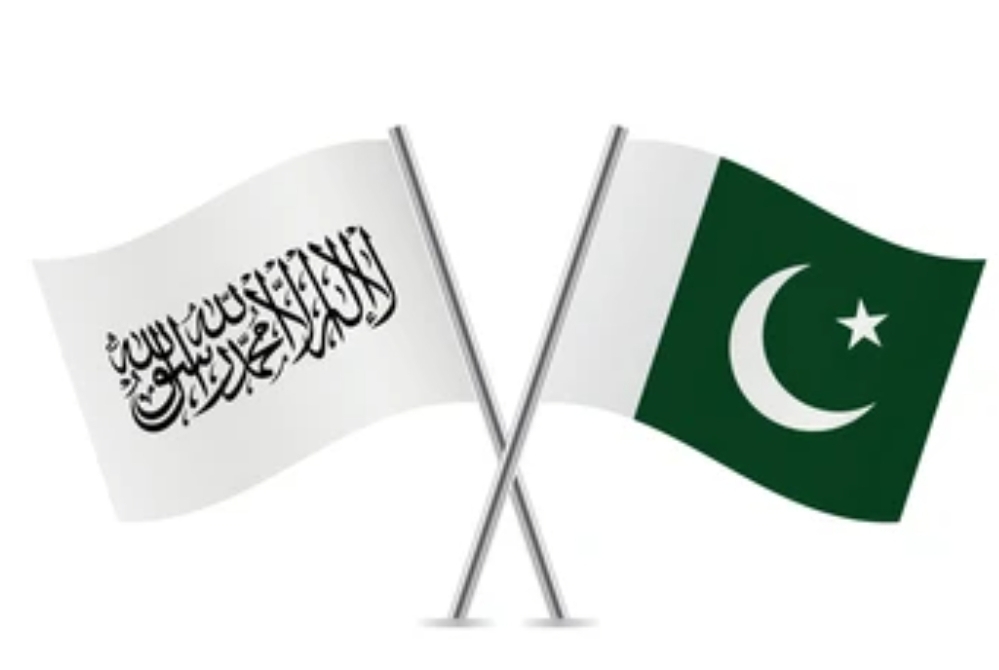 By Abubakar Siddique

 Geopolitical Monitor: The current Taliban regime has renewed its symbiotic relationship with the remnants of al-Qaeda. And though their global return may not be imminent, it must be remembered that the terrorist group is laying low by choice. Under this arrangement, al-Qaeda has agreed to stay under the radar, for now, in order to aid the Taliban’s international image of upholding their promise to prevent extremist organizations from using Afghanistan as a safe haven. Yet al-Qaeda views the Taliban-controlled country as precisely that—a base in which they can regrow and expand.
 8am: Local Taliban officials in Takhar province have allocated residential township lands, originally designated for the victims of natural disasters in the Altu Khwaja region of Dasht-e Qala district, to returnee migrants from Pakistan. The residents of Dasht-e Qala allege that the Taliban have been unjust to the people of this district. The distribution of lands in this township has sparked concerns among the residents of the Dasht-e Qala district in Takhar province. They view this move by the Taliban as part of a larger policy of Pashtun displacement in the northern regions of the country, emphasizing that such actions contribute to increased bias and animosity among the citizens of the country.
 Ayaz Gul