
 Radio Free Europe/Radio Liberty
January 9, 2024
The U.S. Special Inspector General for Afghanistan Reconstruction (SIGAR) says there are no specific controls in place to ensure funds headed to the war-torn country are not diverted to or misused by the Taliban militants who seized control amid the departure of international troops in August 2021.
In a response to a Congressional request for a report on the Switzerland-based Afghan Fund, SIGAR said in a letter late on January 8 that many questions remain about the situation and its $3.5 billion in funds.
SIGAR said the purpose of the Afghan Fund was to “receive, protect, preserve, and disburse” the assets it holds through Afghanistan’s central bank “for the benefit of the Afghan people.”
Decisions regarding the disbursement of funds require a unanimous vote of the board of trustees, it added, noting that more than a year after being created, the fund had made no disbursements “for activities intended to benefit the Afghan people.”
“Although the fund’s unanimous vote requirement could help prevent the fund from engaging in risky activity, there are currently no controls in place that specifically address the issue of Taliban diversion,” SIGAR said.
The de facto Taliban government remains largely unrecognized by the international community and has been accused of widespread human rights abuses, particularly against women and girls. It has barred women from working for assistance organizations and has restricted the ability of such organizations to work in the education sector.
A SIGAR quarterly report in October 2023 warned the “the Taliban have effectively infiltrated and influenced most UN-managed assistance programming,” raising fears among U.S. lawmakers that the Afghan Fund could suffer a similar fate.
SIGAR said in its letter to Congress that the U.S. Treasury and the State Department will not support transferring the funds back to the central bank, the Da Afghanistan Bank (DAB), in Kabul until it “implements adequate anti-money laundering and countering-terrorist-financing controls.”
“The DAB must also demonstrate its independence from political influence and interference, submit to monitoring by a ‘reputable’ third party, and undergo a third-party needs assessment,” it added.
Amid its international isolation because of the Taliban rulers and a severe drought, Afghanistan is teetering on the brink of a humanitarian crisis, the United Nations Office for the Coordination of Humanitarian Affairs (OCHA) said in a report on January 8.
“An estimated 23.7 million people — more than half of Afghanistan’s population — will require humanitarian assistance to survive in 2024 as the country continues to reel from decades of war and grapple with climate-induced crises, recurrent natural disasters, entrenched poverty, and barriers to women’s participation in public life,” the report said.
It added that more than $3 billion in “life-saving assistance” will be required in 2024 to avert the crisis.
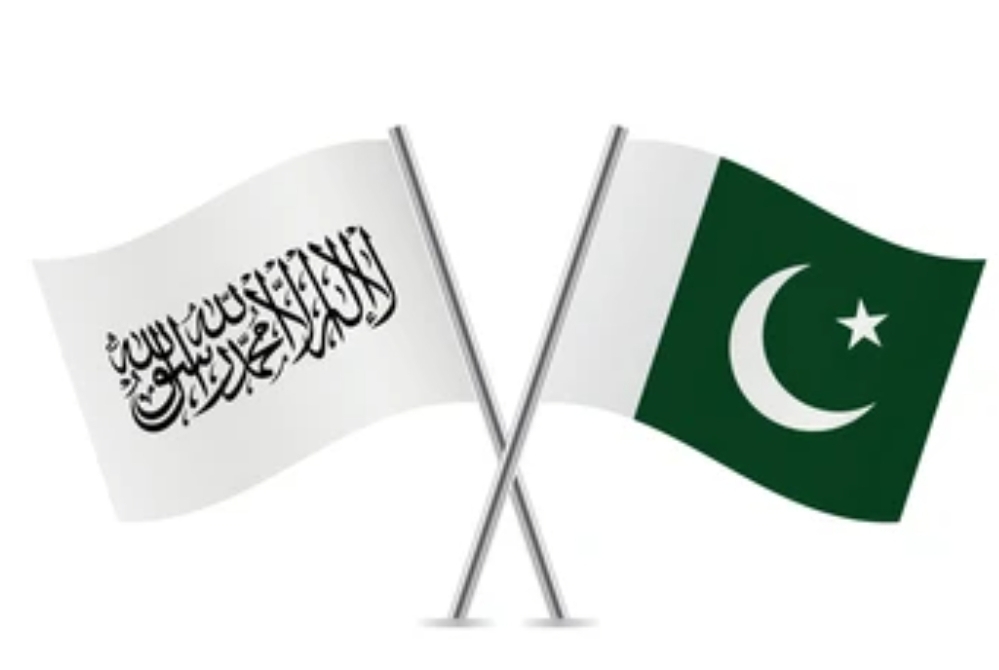 Foreign Affairs: How Islamabad’s Expulsions of Afghans Could Backfire—and Help the Taliban… Although Pakistan has reason to be angry with its Afghan Taliban allies, the country’s terror problem is the direct result of its military’s decision to differentiate between the “good” Afghan Taliban and the “bad” Pakistani Taliban, overlooking their inextricable connections. The policy aimed to secure strategic depth in Pakistan’s western neighbor, but it has demonstrably failed. The TTP ’s access to safe havens in Afghanistan ties the military’s hands, as does Pakistan’s acute economic crisis, the lack of the same public backing that helped legitimize the 2014 offensive against the TTP, and the absence of American political and financial support that Pakistan enjoyed in the years following the U.S. invasion of Afghanistan.

 Khaama: After the detention of several girls by the authorities of the Ministry of Promotion of Virtue and Prevention of Vice on charges of “ban hijab” in the outskirts of Kabul, a recent announcement based on the observance of the hijab guidelines in the eighteenth district of Kabul has been issued. According to the announcement released by the officials of the Ministry of Promotion of Virtue and Prevention of Vice following a meeting with the school principals in the eighteenth district of Kabul, the ministry detains girls who do not consider what is called by the Taliban as an Islamic dress code.
 Ariana: The Afghanistan Cricket Board (ACB) has made changes to the sanctions imposed on three national players – Mujeeb Ur Rahman, Fazal Haq Farooqi, and Naveen Ul Haq – after conducting a thorough investigation. These amended sanctions now allow the players to receive central contracts and participate in franchise leagues, but with a strong condition: they must fully commit to national duties and prioritize the interests of the ACB.
 8am: The ISIS Khorasan (IS-K) has claimed responsibility for an attack on a passenger vehicle in the Dasht-e Barchi area of Kabul, resulting in five deaths and 15 injuries. The incident occurred on Saturday night at the Qala-e Naazir station in western Kabul, with all victims being civilians. The attack has sparked widespread condemnation, with the National Resistance Front of Afghanistan (NRF) attributing it to the Taliban as the main perpetrator. The Afghanistan Freedom Front, in response to recent ISIS attacks, asserts that without Taliban support, ISIS cannot target Shia and Hazara communities. The United Nations Assistance Mission in Afghanistan (UNAMA), in denouncing this attack, calls for an end to targeted assaults on civilians, increased protection for the Hazara community, and accountability for those responsible for such incidents. This comes as the Taliban have repeatedly claimed to have eliminated ISIS in Afghanistan, and dismissed the presence of this group as media-driven propaganda. However, the United Nations Security Council has stated that the Taliban have not adhered to the Doha agreement.
