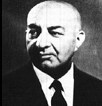
Daoud Khan
Amu: Monday, April 27, marks the 48th anniversary of the Saur coup, the 1978 military takeover that overthrew President Mohammad Daoud Khan and helped set the country on a path of prolonged conflict and instability. The uprising, carried out on April 27 and 28, 1978 — known as 7 and 8 Saur in the solar calendar — was led by the People’s Democratic Party of Afghanistan, or PDPA, with support from factions within the military and close alignment with the Soviet Union. The event is widely known as the Saur Revolution. Fighting quickly engulfed Kabul as military units aligned with the PDPA used tanks and aircraft to strike the presidential palace and other centers of power. Daoud Khan, who had seized power in a 1973 coup and established a one-party system, was killed along with most of his family inside the Arg palace. The coup marked a decisive break in Afghanistan’s political order. Click here to read more (external link).
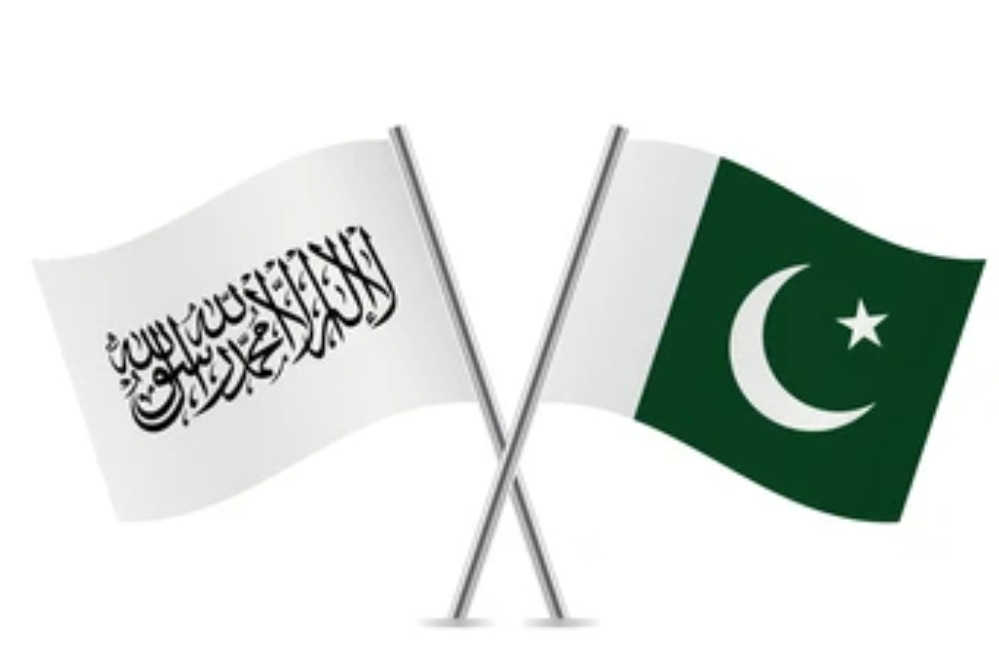 Amu: Fighting broke out overnight between Taliban and Pakistani troops along the border in southern Afghanistan, local sources said on Monday, in the latest sign of persistent tensions despite recent diplomatic efforts to ease the conflict. The clash occurred in the Spin Boldak district of Kandahar province, a key crossing point between the two countries. A source among Taliban ranks in Kandahar said six Pakistani soldiers were killed in the exchange, and one was captured. The body of another soldier was also recovered by Taliban forces, the source said.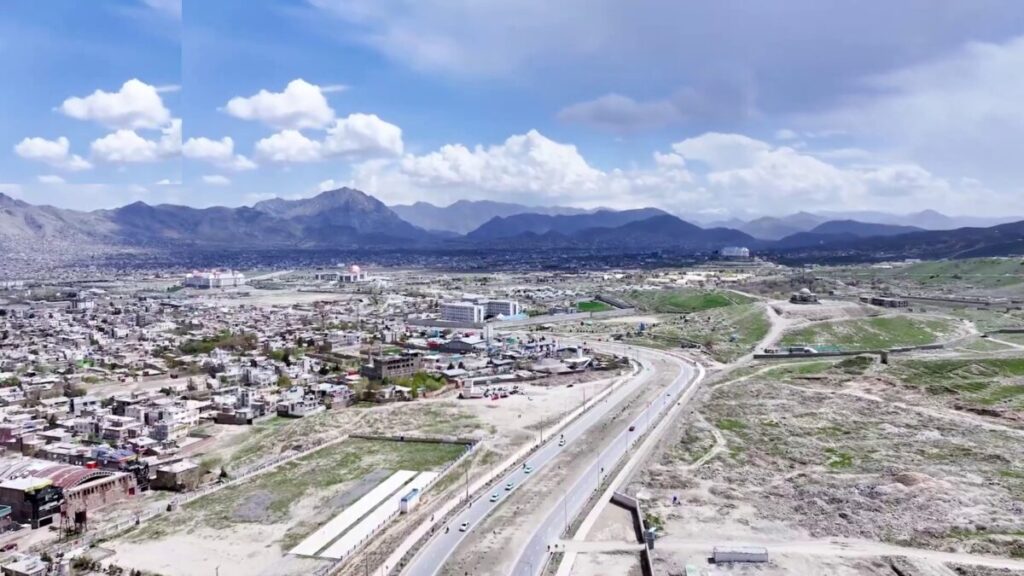

 8am: Several private construction and logistics companies say that officials in the Taliban’s contract facilitation sector are extorting and demanding bribes from them. According to these companies, the Taliban impose restrictions and create obstacles, demanding a specific share in every project, and if payments are not made, they not only reject applications but also create additional problems for the companies. They emphasize that if the officials’ demands are not accepted, issues are deliberately created under the pretext of rejecting “offers,” and there is no independent body to address their complaints.
 8am: The World Health Organization (WHO) has announced that malaria remains one of the common diseases in Afghanistan, affecting many families, especially children. The organization said on Saturday, April 25, 2026, on the occasion of World Malaria Day, that awareness-raising and timely action can play an important role in reducing the disease.
  8am: Local sources in Faryab say that the Taliban’s move to distribute identity cards to many “Kuchi” individuals in Andkhoy district has been carried out without following legal procedures, and residents have protested against this action. Sources told the Hasht-e Subh Daily on Thursday, April 23, that Abdul Ahad Fazli, the Taliban governor in Faryab, has pressured officials responsible for issuing identity cards in the four districts of Andkhoy to provide identity documents to certain Kuchi individuals. According to the sources, these individuals have been brought to Andkhoy by the Taliban, and local Taliban authorities are attempting to issue them identity cards as “native residents” of Andkhoy.