
Taliban To Appoint Ambassador To Moscow As Russia Moves To Deepen Ties
 Afghanistan International: Amir Khan Muttaqi, the Taliban’s acting Foreign Minister, has announced that the group will soon appoint an ambassador to Moscow, marking a new stage in diplomatic engagement between the Taliban and Russia. The statement came during a meeting with Zamir Kabulov, Russia’s Special Envoy for Afghanistan. Zia Ahmad Takal, Deputy Spokesperson for the Taliban’s Ministry of Foreign Affairs, confirmed that Russia is expected to receive the Taliban’s diplomatic representative at the ambassadorial level. Click here to read more (external link).
US Courts to review Afghan Immigration Cases, says White House
 Khaama: The White House announced U.S. courts will individually review Afghan immigration cases as temporary protection status for many is ending soon. Karoline Leavitt, White House spokesperson, announced that Afghan immigration cases in the United States will be reviewed by courts. The announcement, made during a press conference on April 22, emphasized that Afghan migrants who received temporary protected status during the Biden administration will soon see their protections end. Click here to read more (external link).
Related
Czech soldiers charged in death of Afghan prisoner following interrogation
 Amu: Four members of the Czech Special Forces have been charged in connection with the death of an Afghan prisoner who died shortly after being interrogated, Radio Prague International reported on Tuesday. The incident occurred in 2018 at the Shindand air base in Afghanistan’s western Herat province. According to the report, the Afghan man, identified only as Khan, had earlier shot and killed Czech dog handler Tomáš Procházka and wounded two other soldiers before being captured. Click here to read more (external link).
Taliban ban images of living beings in Bamiyan, media group says
 Amu: The Afghanistan Journalists Center (AFJC) reported Tuesday that Taliban have banned the capturing and publication of images of living beings in Bamiyan Province. According to the AFJC, the Taliban’s Ministry for the Promotion of Virtue and Prevention of Vice issued a formal letter to local government offices in Bamiyan on April 17, mandating enforcement of the new ban. The directive was announced following a meeting led by Taliban-appointed governor Abdullah Sarhadi and local officials. Since returning to power in 2021, the Taliban have imposed increasingly strict controls on the country’s media, drawing condemnation from press freedom organizations and raising concerns over the future of independent journalism in the country. Click here to read more (external link).
Tolo News in Dari – April 22, 2025
Ex-Afghan Deputy Speaker Zahir Qadir Arrested In Kenya, Faces US Extradition

Zahir Qadir
Afghanistan International: Abdul Zahir Qadir, former Deputy Speaker of Afghanistan’s parliament, has been arrested in Kenya and is facing extradition to the United States on charges related to drug trafficking and possession of heavy weaponry. According to The Nairobi Times, Qadir was apprehended at a hotel in Nairobi shortly after arriving in the country on 14 April 2025 aboard a Qatar Airways flight. Kenyan police, acting on a request from the US Drug Enforcement Administration (DEA), secured a detention warrant from the court, citing Qadir’s lack of a fixed residence and high flight risk. Click here to read more (external link).
Left behind, Afghanistan is now an environmental hellhole

Photo: Akmal Dawi/IRIN
Responsible Statecraft: From poisoned water sources to barren lands, the natural world has become another casualty of war, with the most vulnerable communities bearing the brunt of this catastrophe. Every war in Afghanistan’s modern history has left an ecological footprint that will endure long after the last bullets have been fired. The use of depleted uranium munitions has left behind radioactive waste. The destruction of irrigation networks has crippled agriculture. Rising respiratory diseases and cancer rates, linked to exposure to hazardous materials, are only beginning to be understood. Click here to read more (external link).
Ex-Afghan MP Held In Pul-e-Charkhi Prison On Murder Charges, Confirms Taliban
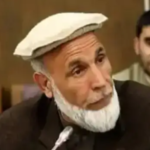 Afghanistan International: Habibullah Badr, deputy head of the Taliban’s prison administration, has confirmed that Allah Gul Mujahid, a former member of the Afghan parliament, is currently imprisoned in Pul-e-Charkhi prison in Kabul on charges of murder. Click here to read more (external link).
Former Afghan MP Abdul Zahir Qadir Reportedly Arrested In Dubai
Qadir
Afghanistan International: Abdul Zahir Qadir, a former member of the Afghan Parliament, has reportedly been arrested at Dubai International Airport, according to his nephew, Jalal Qadir, who spoke to Afghanistan International. “A few days ago, Abdul Zahir Qadir left for a foreign trip. Unfortunately, during our last call, he told us he had been detained by US intelligence officials at Dubai Airport,” said Jalal Qadir. “He has not contacted us since and is now effectively missing.” Click here to read more (external link).