

Qanuni
Afghanistan International: Yunus Qanuni, a former Afghan vice president, said Taliban intelligence was responsible for the assassination of Ikramuddin Sari, a former Afghan security commander, in Tehran. He added that there is no doubt the group’s intelligence bodies conduct cross-border operations. Click here to read more (external link).
More
 8am: Sources from the Afghanistan Analysts Network say that important subjects such as human rights, democracy, electoral systems, constitutional law, sociology, and ethics philosophy are no longer being taught, and many books written by women or Iranian authors are also on the banned list. Additionally, books about Afghanistan’s contemporary history, the Taliban, Afghanistan-Pakistan relations, and anti-Taliban figures such as Ahmad Shah Massoud have been removed from access.
 Amu: Taliban collected and burned dozens of musical instruments in the eastern province of Nangarhar, saying the move was aimed at enforcing Islamic principles and reforming society. Since returning to power in August 2021, the Taliban have imposed sweeping restrictions on music, banning it from public events, weddings, radio and television broadcasts, and many public spaces. Musical instruments have been confiscated and destroyed in several provinces.

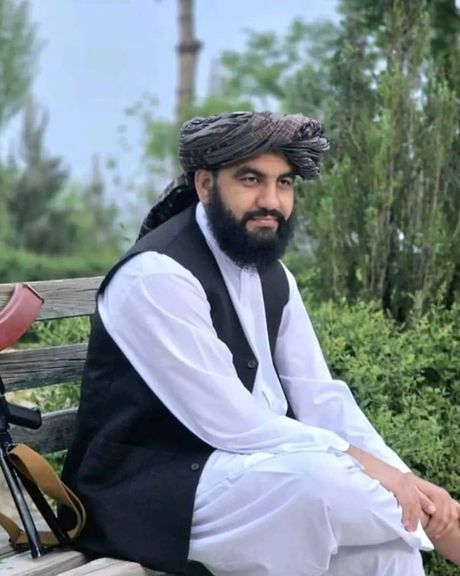 Afghanistan International: Eyewitnesses told Afghanistan International that Mawlawi Noman, an aide to Taliban intelligence chief, was killed in a targeted drone or rocket attack in Kabul. Sources close to the Taliban had initially said Mawlawi Noman died when a gas cylinder exploded at his home. However, an eyewitness living near the residence said a second-floor room of the house where Noman and a guest were present at the time was completely destroyed. The eyewitness described the incident as “highly targeted and calculated,” adding that the force of the blast was inconsistent with a domestic accident.
  8am: Many residents of Kabul now speak with growing anxiety about the spread of non-standard high-rise buildings across the city. They say builders have ignored Kabul’s limited capacity, and as a result, daily life has become harder and environmental damage more severe. At a time when the city already struggles with water shortages, heavy air pollution, and weak urban services, residents warn that continued high-rise construction will only deepen these crises. They argue that the Taliban should stop the city’s irresponsible expansion instead of issuing permits and collecting money from builders.