
 AFP: Australia on Tuesday scrapped a T20 men’s cricket series against Afghanistan later this year, saying the situation for women in the Taliban-ruled country was deteriorating. Cricket Australia said it had received advice “that conditions for women and girls in Afghanistan are getting worse” and so had postponed the three-match series scheduled in August at a neutral venue. It is the third time since 2021 that Australia has refused to play Afghanistan outside of international tournaments. Click here to read more (external link).
Other Afghan Cricket News

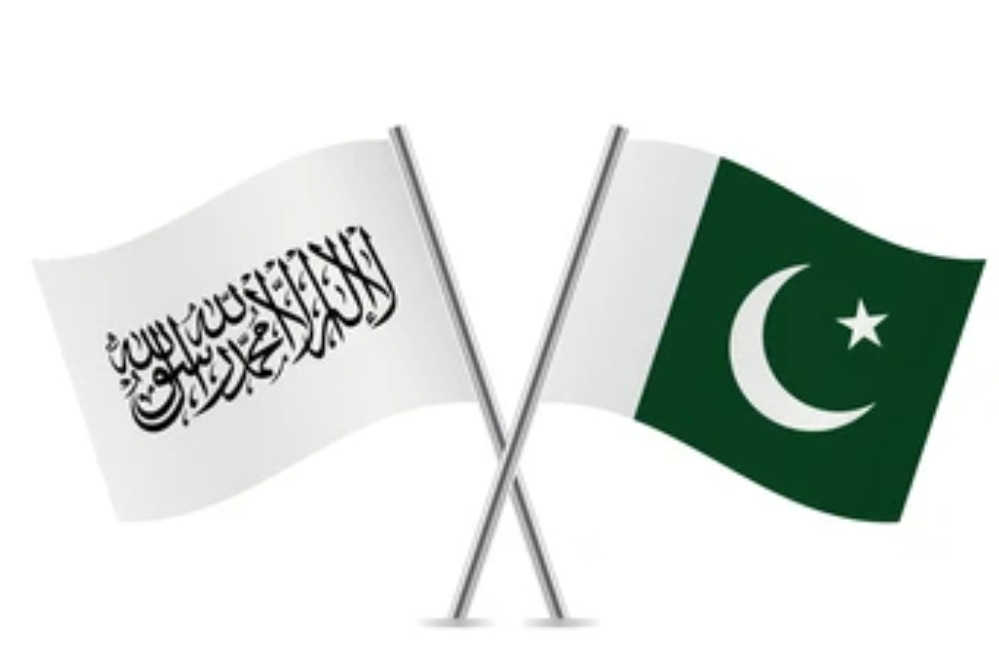
 Khaama: The U.S. Department of State says Washington is concerned about recent tensions between the de facto administration of Afghanistan and Pakistan. Vedant Patel, Deputy Spokesperson for the U.S. Department of State, expressed regret at a press briefing late on Monday, March 18th, about the killing of civilians in Afghanistan. He added that the United States urges the Taliban government to ensure no attacks are carried out from Afghan soil. Patel also reiterated that Washington invites Pakistan to exercise restraint and has asked the country to “ensure that its counterterrorism efforts do not harm civilians.” A spokesperson for the U.S. Department of State further stated: “We have seen reports of Pakistani airstrikes in Afghanistan in response to attacks on Saturday against military personnel in Khyber Pakhtunkhwa. We are concerned about the attack and casualties in Pakistan.”
  By
By  8am: Russians, Chinese, and Iranians, with all their efforts for the formation of “constructive engagement and practical action with the Taliban,” are normalizing and perpetuating terrorism; terrorism that will one day haunt Moscow, Beijing, and Tehran as well.
 8am: The relationship between the Taliban and the media is defined by the interests of this group. During the Taliban’s first emirate, they shut down all visual, audio, and written media outlets, except for one or two Taliban-affiliated outlets like “Voice of Sharia,” to control public opinion. Even those who owned televisions and satellite dishes in their homes were forced to conceal them. In the area where we lived, during the initial period of Taliban rule, only one family, who provided the most lavish gifts and bribes to the governor and his personnel, was allowed to keep their satellite dish installed on their roof and watch television. The rest of the people had their televisions destroyed by the Taliban or had to hide them. Even in recent years, videos have been circulated showing Taliban fighters smashing radios and televisions. Some of their officials consider taking pictures and distributing them as forbidden and label photographers as sinners. However, in practice, this group benefits the most from the media in the country. All state-owned media outlets, whether visual, audio, or written, are under the control of the Taliban. After seizing power, they established several media outlets themselves, understanding the role of media in shaping public opinion and strengthening/weakening power. To reach a wider audience, Taliban media outlets such as Bakhtar News Agency, under the control of this group, are disseminated in Urdu, Arabic, English, and local languages. Additionally, Taliban officials, who theoretically consider photography a major sin, have flooded the media space and social networks with content from their group, including videos, images, texts, and infographics. Therefore, the Taliban’s relationship with the media is friendly as long as they promote the interests of this group, and sometimes they receive support. However, the media can become an enemy of the Taliban, and journalists may end up in prison for seeking the truth and portraying the true image of Afghanistan under Taliban rule, which is not what the Taliban want to be portrayed.
 Tolo News: The Annual Threat Assessment of the US Intelligence Community has stated that the near-term prospects for regime-threatening resistance in Afghanistan remain low. The annual report reads that, large swathes of the Afghan public being weary of war and fearful of “Taliban” reprisals, and since armed remnants lack strong leadership and external support, the threats to the Islamic Emirate are low.