
 ESPN: The white-ball series between Afghanistan and Sri Lanka, scheduled to be held in the UAE from March 13 to 25, is likely to be postponed indefinitely due to the ongoing military conflict in West Asia. Click here to read more (external link).
Why young girls are disguised as boys in Afghanistan
 NPR: Girls dressed as boys has been documented for centuries in the patriarchal society of Afghanistan. It even has a term: a girl who disguises her gender is called a bacha posh — literally “dressing like a boy.” Bacha posh girls have long captured the imaginations of Westerners in Afghanistan. It was addressed in the movie Osama in 2003 and the 2018 Oscar-nominated animation film The Breadwinner, produced by Angelina Jolie. It was the subject of a deep-dive book published in 2014, The Underground Girls of Kabul. The reason for girls to dress as boys in times long ago may have included a desire to go soldiering. But the practice has had a different relevance in modern-day Afghanistan, through the first period of Taliban rule in the mid-90s, and now — with the group’s restrictions on the freedom of women. Click here to read more (external link).
Kabul During Ramadan: Streets Become a Stage for Women and Children Begging
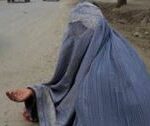 8am: Several Kabul residents have expressed concern over the growing number of beggars on the streets and intersections of the city, particularly during the holy month of Ramadan. They say that women and children make up the largest portion of beggars across the city. According to them, rising unemployment, restrictions on women’s right to work, and economic hardship are among the main factors driving the surge in begging in Kabul. Some of these beggars do not merely ask for money but also harass and disturb passersby. Click here to read more (external link).
Tolo News in Dari – March 8, 2026
8 March: Amnesty International — Many Women in Afghanistan Have Been Forced to Abandon Their Own Identity
 8am: On the occasion of International Women’s Day, Amnesty International says that many women in Afghanistan have had to set aside their identities and become invisible. The organization said in a statement on Sunday, 8 March, that it is calling for an end to human rights violations in Afghanistan. The organization says that the Taliban continue these practices of torture, sexual harassment, arbitrary detentions, and censorship without any accountability. Click here to read more (external link).
More
- Then And Now: Life For Afghan Women Since The 2021 Taliban Takeover
- International Women’s Day: Khalilzad urges IEA to allow girls’ education
- Karzai urges reopening schools for girls in Afghanistan on International Women’s Day
- March 8: Taliban Restrictions Have Derailed the Dreams and Futures of Women in Afghanistan
- March 8: A Life in Limbo; How Sanam Became Trapped Between Her Husband and the Taliban
Four Afghan boxers miss Youth Olympic qualifying event

Amu: Four members of Afghanistan’s national boxing team have missed the opportunity to compete in the Youth Olympic qualifying tournament. The competition, which determines qualification for the Youth Olympic Games, is currently being held in Thailand. Click here to read more (external link).
Other Afghan Sports News
10th day of border fighting: Taliban, Pakistani forces clash again in east
 Amu: Taliban and Pakistani border troops clashed again Saturday morning along the frontier in Paktika province, as fighting between the two sides entered its tenth day, according to local Taliban officials. Abdul Qadoos Makhdum, the Taliban district chief in Terwa district, said Taliban forces had launched attacks on five Pakistani border outposts and that the fighting was still continuing. Click here to read more (external link).
More
UN Women: Afghanistan Stands Alone as the Only Country Barring Girls from School

8am: On Saturday, March 7, on the occasion of International Women’s Day, the organization stated that the deprivation of girls in Afghanistan from education threatens their future and that this situation should not be normalized. UN Women added that there is currently not a single girl receiving an education in secondary schools across Afghanistan. Click here to read more (external link).
Related
Tolo News in Dari – March 7, 2026
A Hero the Taliban Didn’t Expect
 NYT: A triumph in indoor soccer has turned Alireza Ahmadi, 17, and other players from the Hazara minority, long marginalized in Afghanistan, into national heroes. Click here to read more (external link).