
 By RFE/RL’s Radio Azadi
October 8, 2025
Internet watchdog NetBlocks has confirmed reports from inside Afghanistan that several major social media sites have been “intentionally restricted.”
“Metrics show social media platforms Instagram, Facebook and Snapchat are now restricted on multiple providers in Afghanistan; the incident follows last week’s telecoms blackout and is the latest in a series of internet censorship measures imposed by the Taliban,” NetBlocks, a watchdog organization that monitors cybersecurity and internet governance, said in a statement on October 8.
The report confirms statements from social media users inside Afghanistan earlier in the day, who told Radio Azadi that they had been unable to access social media networks without using a filter breaker or VPN since the previous evening.
The Taliban-led government has not officially commented on the social media shutdown.
For nearly 48 hours last week, Afghanistan was plunged into confusion and chaos after authorities imposed a nationwide telecommunications blackout. The Taliban cut off access to fiber-optic Internet and cell phone service, which relies on the same system, without warning on September 29. It was restored on October 1.
The move triggered chaos, disrupting flights and cutting people off from banking and e-commerce systems as well as online jobs and schools.
The Taliban didn’t give an official reason for its decision, but the shutdown came weeks after the hard-line Islamist group blocked access to fiber-optic Internet in several provinces because of concerns over “immorality.”
Critics have said the decision is part of a wider crackdown on individual freedoms and the free flow of information.
The communications blackout affected ordinary Afghans, private businesses, and government offices and caused challenges for thousands of Afghans who are outside the country.
The Internet has been a lifeline for Afghan women, many of whom lost their right to work and study following a Taliban ban in 2022.
The blackout triggered fears among women that they were losing their last hope.
 Afghanistan International: Locals in Kabul, Parwan, Balkh, Samangan, and Faryab said the social media disruption began recently. Some users also reported being unable to log into Snapchat.
  Amu: New recruits in Taliban police in Panjshir province have been asked to procure their own weapons or risk dismissal, four sources from the Taliban police told Amu. The sources said the order specifically targets local recruits from Panjshir, while Taliban members brought in from other provinces are exempt.
  Amu: Afghan Muay Thai fighter Nawidullah Saadi is set to make his debut in ONE Championship, the world’s largest professional martial arts organization, on Friday, October 10, in Bangkok, Thailand. Saadi, originally from Dasht-e-Barchi in Kabul, began training in 2016 at the Kabul Shahans Gym in western Kabul. After years of dedicated practice and participation in national tournaments, he earned a spot on Afghanistan’s national youth Muay Thai team in early 2021 following his strong performance in the qualifying competitions.
 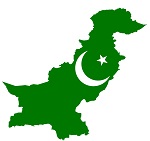 Khaama: Pakistani authorities have intensified their campaign to deport Afghan refugees, with multiple reports of police raids, harassment, and arbitrary arrests in Islamabad and other cities. Refugees say visa renewals have been suspended, leaving thousands vulnerable to detention and forced return. Residents of the B-17 neighborhood in Islamabad told reporters that police raided homes on Tuesday, detaining Afghans unable to present valid documents. Many of those targeted had previously worked with U.S. and NATO forces in Afghanistan and are awaiting resettlement in Western countries.

 Afghanistan International: The UN Human Rights Council on Monday approved the establishment of an independent mechanism to investigate and document human rights violations in Afghanistan. Malek Sitez, a legal and international relations expert, said the decision represents a major step towards ensuring justice and oversight in Afghanistan. “This initiative is designed to bring accountability for perpetrators of human rights violations and marks a significant step in monitoring human rights in the country,” he told Afghanistan International.