
 Akmal Dawi
VOA News
October 18, 2022
As the cold season starts in landlocked Afghanistan, concerns are mounting about widespread hunger, particularly in the rugged parts of the country where the first snowfall blocks the roads.
This year there is hope that 30,000 metric tons of wheat coming from another war-torn country, Ukraine, will mitigate the hunger for some Afghans. The U.N. says hunger is nearly universal in Afghanistan with 97% of its population now living below the poverty line.
“Despite its own suffering in the face of Russia’s brutal invasion, Ukraine has donated 30,000 metric tons of grain through the WFP to alleviate Afghanistan’s humanitarian crisis,” U.S. Secretary of State, Antony Blinken, tweeted last month.
The World Food Program says the wheat is being milled into flour in Turkey and will be then shipped to Pakistan from where it will be delivered to Afghanistan by trucks.
A spokesperson for WFP told VOA the aid shipment is funded by the U.S. “It is not a donation from Ukraine,” said the spokesperson, Annabel Symington.
VOA asked the State Department whether the U.S. offered any financial incentive to Ukraine for the wheat. The answer: No.
“The U.S. did not play a role in Ukraine’s decision to donate this 30,000 metric tons of wheat to Afghanistan and commends Ukraine for its generosity despite the trying circumstances imposed upon it by Russia’s unjust invasion,” the State Department spokesperson said.
Ukraine sells
In August, the U.S. Agency for International Development announced it was giving $68 million to the WFP to buy 150,000 metric tons of wheat from Ukraine to feed needy countries in Africa and Asia.
“Before Russia’s invasion, Ukraine was one of WFP’s top suppliers of grain and the fourth largest commercial exporter of wheat. Opening the Ukrainian market is a vital step forward in our emergency response,” USAID said in the statement.
Under a deal brokered by Turkey, Ukraine has exported more than 6.4 million metric tons of wheat and other food items in the past two months, according to the U.N.
The Ukrainian shipments have gone to different countries in Asia, Africa and Europe, where food prices have gone up markedly since Russia embarked on its war against Ukraine in February.
The U.S. has also provided aid to Ukrainian farmers to improve their agricultural products, such as spraying pesticides by drones.
“USAID is supporting the farmers of Ukraine in their efforts to continue feeding Ukrainians and feeding the world,” said Samantha Power, the USAID administrator, while visiting a farm in Ukraine on October 6.
In addition to humanitarian aid, the U.S. has given more than $17.5 billion in security assistance to Ukraine, according to figures from the State Department.
Why give credit to Ukraine?
While Ukraine has sold the wheat to WFP, why has the U.S. been praising Ukrainian “generosity” and “donation” rather than claiming credit for its own financial sponsorship of the wheat aid to Afghanistan?
“Ukraine is the source of this food,” James S. Gilmore, a former U.S. ambassador to the Organization for Security and Cooperation in Europe, told VOA. “The goal here is to allow Ukraine to engage in international commerce. And, once that’s permitted, over top of this war, then I do think that the American people who are funding it and financing it ought to be given credit for that.”
Alex de Waal, executive director of the World Peace Foundation at Tufts University, said the U.S. might have preferred to give credit to Ukraine in order to blunt Russia’s onslaught.
“At the moment, Russia is on the diplomatic offensive in among many developing nations, particularly in sub-Saharan Africa, scoring points by saying that the U.S. has been imposing various conditionalities on aid and its double standards, etc. And the U.S. is very keen that Ukraine, with which it is allied, is seen in a more positive light among those developing countries,” de Waal told VOA.
 By Mursaleen Arsala and Abubakar Siddique
 Ayaz Gul
 8am: The gunfighting took place on Tuesday morning (October 18th) in the alley of Deputy Jumaaldin of the second district of Kunduz city and continued for four hours. According to the sources, a group of ISKP fighters had moved into a house in this neighborhood, and after revealing their location, they started fighting the Taliban.
  8am: A research institution based in the United Kingdom, after examining the photos and videos of the Taliban massacre in Panjshir, says that the group has shot dead 27 prisoners in this province. The findings of the research project “Afghan Witnesses – Shahid Afghan”, whose report was published on Tuesday, October 18, indicate that the Taliban captured 27 men in Panjshir province last month and then shot them dead.
 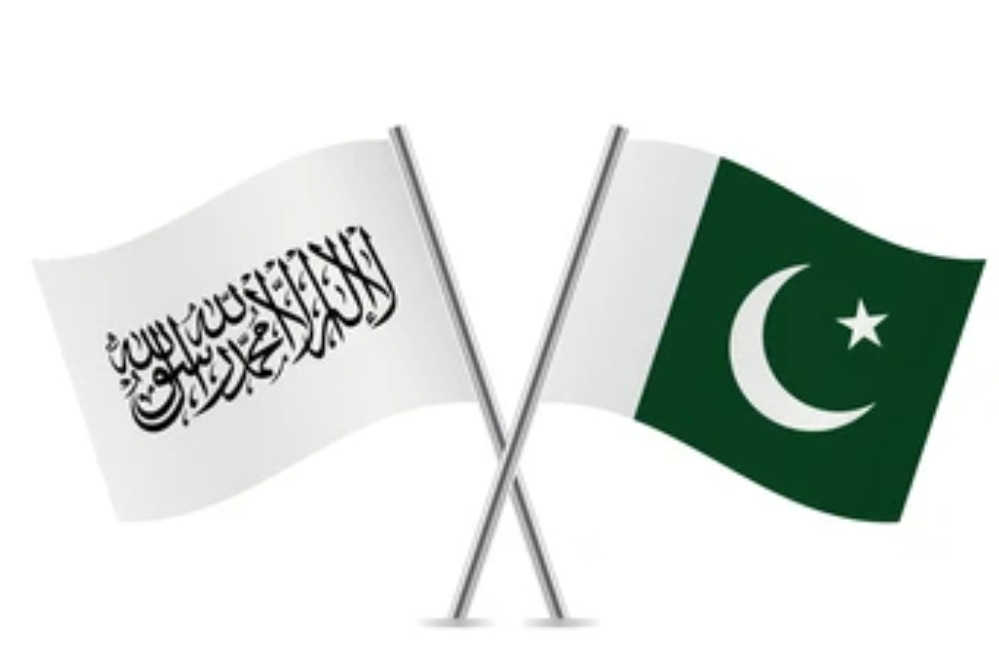 By Sadiq Amini via The Diplomat: Nothing illustrates the divisions inside the Taliban leadership so much as the cruel ban on girls’ education, which is widely believed by nationalist circles within the Taliban to be the work of the ISI and extremist elements of the Taliban who are closely aligned with Rawalpindi, as they are trying to undermine efforts that could pave the way for the Taliban’s recognition by the international community. As a result, there is an ongoing competition for power, which is played out in the form of violent armed clashes, assassinations, and suicide attacks between the two opposing Taliban camps: the extremists backed by the Pakistani establishment and the nationalists.
  Khaama: The new programme will admit 1,000 Afghans per month and their family members, targeting particularly exposed Afghans who are active in women’s and human rights advocacy or those at risk for working in the fields of justice, politics, media, education, culture, sport or science.
  8am: In a newsletter, the Central Bank of Afghanistan under Taliban control in a series of Tweets said on Tuesday, October 18 that the group received the fifth aid package of 40 million dollars from the international community in Kabul. The international community has been injecting aid packages while there is no reliable monitoring mechanism on the ways these funds are being spent. Meanwhile, there are no accurate figures for the cash aid that has been given to Afghanistan after the Taliban swept into power in late August.