

Zarifa Gharifi
FT: Ghafari is scathing about the 20 years of US intervention. “It was not a ‘war on terror’. It was war to produce more terrorism,” she says. “They [US forces] destroyed entire villages. And if you asked, they would say, ‘There was one or two Taliban.’” In Afghanistan’s perennial woes she sees the traces of constant foreign interference. She describes Washington’s Afghan policy since the Soviet Union invaded the country in 1979 as “the game”. It consists of pitting ethnic tribes and local warlords against one another, she says, and culminated in Donald Trump’s deal with the Taliban in February 2020 ahead of a US withdrawal. “We were so hopeful. And then once again the Taliban rose and they signed a deal with the Taliban. They sold Afghanistan to the Taliban.” Click here to read more (external link).

 8am: Abdul Rauf Hakimi, the brother of Aminullah Mali Hakimi, one of the victims of the Taliban offensive on civilians in Sewak village, Daikundi, in an open letter addressed to the international community on Friday (December 2nd) said that the attack on Daikundi is part of the Taliban’s broader agenda to exterminate and persecute Hazaras. He stated in the statement that he lost eight members of his family. The Taliban shot more than 60 bullets at each of the victims, according to him. Abdul Rauf detailed that the bodies of the victims, including women and children, were such that it was impossible to wash their bodies for burials. The bodies were buried in blood-soaked shrouds, Hakimi added.
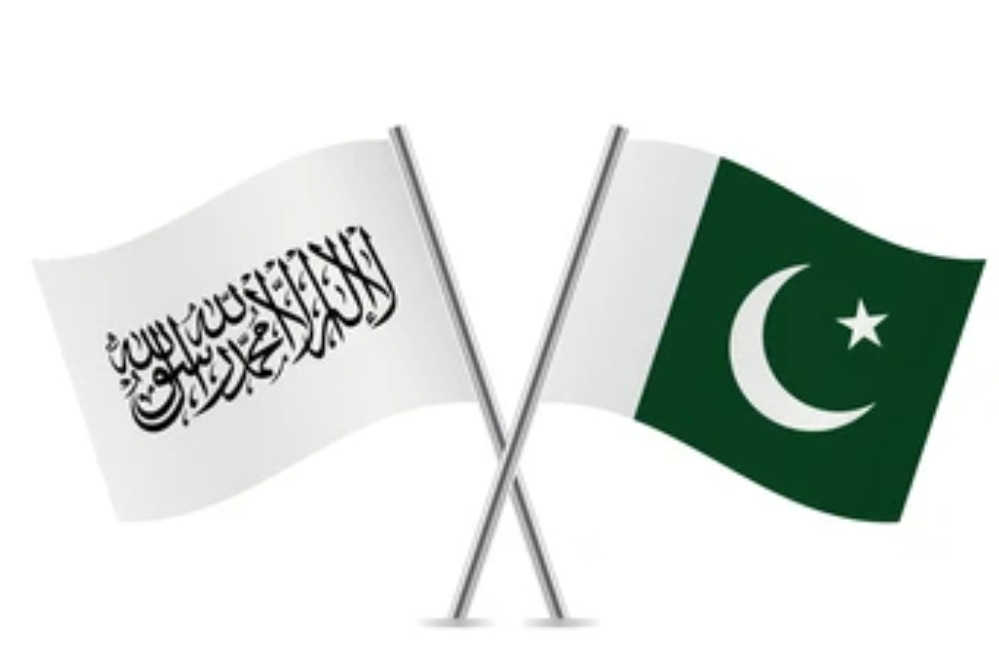
  Khaama: A statement published by the Pakistan’s Foreign Ministry said that Ubaid Ul Rehman Nizamani, the head of mission for the Pakistan embassy in Kabul was the main target of the attackers who has escaped unhurt, however a body guard who was protecting Mr. Nizamani has sustained injury. No groups or individuals have so far claimed the responsibility.
  Ayaz Gul
 Ayaz Gul
 By
By 
