
 Akmal Dawi
VOA News
September 19, 2023
WASHINGTON — Hundreds of women in Afghanistan say the United Nations should not recognize the Taliban government until women’s access to work and education is restored, according to a new survey.
About 46% of the 592 Afghan women who spoke to U.N. surveyors in July said the world body should not recognize the Taliban as the government of Afghanistan “under any circumstances.”
Half of the survey respondents said that any recognition of the Taliban government should hinge on tangible improvements in women’s rights, including their rights to education and work.
Since seizing power in 2021, the Taliban have shuttered secondary schools and universities for girls, leaving countless young women without access to education, and have enforced sweeping restrictions on women’s employment.
The Islamist regime has also imposed myriad other restrictions on women’s social rights such as access to sports and entertainment sites prompting the U.N. and human rights organizations to call Afghanistan a country under “gender-apartheid.”
“They [survey responders] expressed concern that recognition would only encourage the de facto authorities to continue becoming stricter in their policies and practices against women and girls,” the U.N. Assistance Mission in Afghanistan (UNAMA) said in a report on Tuesday.
The Taliban’s appeals for international recognition have met with resounding calls for change. Many countries have demanded that the regime abandon its misogynistic policies, form an inclusive government, and respect human rights.
However, Taliban officials contend that their “Islamic Emirate” is inclusive and respects human rights, albeit within the framework of Islamic Sharia law.
“Steps toward normalization, I think, are not going to be possible. And I think there will remain remarkable unity among the international community until and unless we see a significant change in their [Taliban] treatment of the population,” Thomas West, United States’ Special Representative for Afghanistan, said last week.
“We will not give up until Afghan girls’ rights to education and women’s rights to work are restored,” Toor Pekai, the mother of Nobel Peace laureate Malala Yousafzai, told VOA Afghanistan service in an online interview on Monday.
Worsening indicators
The U.N. survey has also revealed remarkable setbacks in women’s health, income and social influence under the Taliban rule.
“Women consulted frequently describe their lives as that of prisoners living in darkness, confined to the home without hope of a future,” states the UNAMA’s report.
Most of the women surveyed, 80%, reported a drop in their ability to undertake income-generating activities.
In July, the Taliban banned women’s beauty salons in Afghanistan, depriving some 4,000 women of income.
This loss of income has had a profound impact on women’s social and familial roles, diminishing their influence in household decision-making.
“Sixty-nine percent reported that feelings of anxiety, isolation and depression had grown significantly,” the U.N. report says.
The plight of Afghan women is further exacerbated by a deepening humanitarian crisis in the country and a sharp reduction in humanitarian funding.
A U.N. appeal for $3.227 billion for 2023 has received less than 28% of the required funding as of September 19. This shortfall has forced aid agencies to cut essential food aid and health care services, affecting millions of vulnerable Afghans, including women and children.
 Ruslan Suleymanov via carnegieendowment.org: The likely next step for Moscow is to officially remove the Taliban from Russia’s list of terrorist organizations and recognize the government in Kabul. But even those steps would be purely symbolic. They are unlikely to do much to deepen economic ties between the two countries.
 Al Jazeera: Yet, despite the ongoing crisis, Afghan health professionals – thousands of female workers among them – defy daily challenges to provide critical healthcare. With support from humanitarian agencies and donor partners, doctors, nurses, midwives, community health workers, vaccinators and others, the health workers bring life-saving care to millions of Afghans.

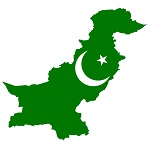 Khaama: The Ministry of Refugees and Repatriation of Afghanistan has announced that 470 Afghan migrants, including freed prisoners from Pakistani jails, have returned to the country. These migrants entered the country through the Torkham border, according to the Ministry on Tuesday. Among the returning migrants, 85 were prisoners released from Pakistani custody and returned to Afghanistan through the Spin Boldak border. Additionally, the Ministry reported the return of 550 Afghan migrants from Pakistan earlier.
 8am: At least two reliable sources have confirmed to Hasht-e Subh that the Taliban apprehended Neda Parwani on the morning of Tuesday, September 19, in the Khairkhana area of Kabul and subsequently transferred her to an undisclosed location. According to sources, the Taliban have also detained the husband and a four-year-old son of this female protester. Sources attribute the Taliban’s detention of female protesters to extortion by this group, alleging that the Taliban demand “money” in exchange for the release of female activists from human rights organizations.
 Ayaz Gul
 Ariana: Hindukush Strikers and Maiwand Champions locked horns in the final match of the sixth edition of Ahmad Shah Abdali First Class Tournament that started on Monday. Maiwand Champions won the toss and elected to field first in the four-day match at Amanullah Khan International Cricket Stadium in Nangarhar province. Ahmad Shah Abdali First Class Tournament is a major part of the domestic cricket structure and largely contributes to the players’ and game development in Afghanistan.