 Radio Free Europe/Radio Liberty
August 10, 2023
Human Rights Watch (HRW) has urged donor countries to find ways to mitigate the ongoing humanitarian and human rights crisis in Afghanistan without reinforcing the Taliban’s repressive policies against women, girls, and media.
In an August 10 statement, HRW pointed to the devastating effect of the Taliban edict banning women from working in local and international nongovernmental organizations, which has resulted in them facing additional difficulties in getting access to food, health care, and housing.
The Taliban edict denying women and girls access to education has also contributed to the deepening of Afghanistan’s humanitarian crisis, HRW said.
“Taliban’s misogynist policies show a complete disregard for women’s basic rights,” said HRW’s Fereshta Abbasi, adding that the group’s gender restrictive measures harm the whole of Afghan society, not only women.
Abbasi said Afghans are currently living a “humanitarian and human rights nightmare under Taliban rule.”
She urged the militant group’s leadership to abandon their “abusive rules and policies” and called on the international community to hold them accountable for the worsening situation in the war-wracked country.
Afghanistan lost development assistance and financial support from Western donors after the Taliban seized power in the wake of the final withdrawal of U.S. and NATO forces at the end of August 2021.
After falling under Taliban rule again, Afghanistan became one of the world’s worst crisis-hit areas, with more than 28 million people — or about two-thirds of the whole population — urgently in need of humanitarian aid, HRW said.
“The Taliban’s response to Afghanistan’s overwhelming humanitarian crisis has been to further crush women’s rights and any dissent,” Abbasi said. “Governments engaging with the Taliban should press them to urgently reverse course and restore all Afghans’ fundamental rights while providing vital assistance to the Afghan population.”
 By
By 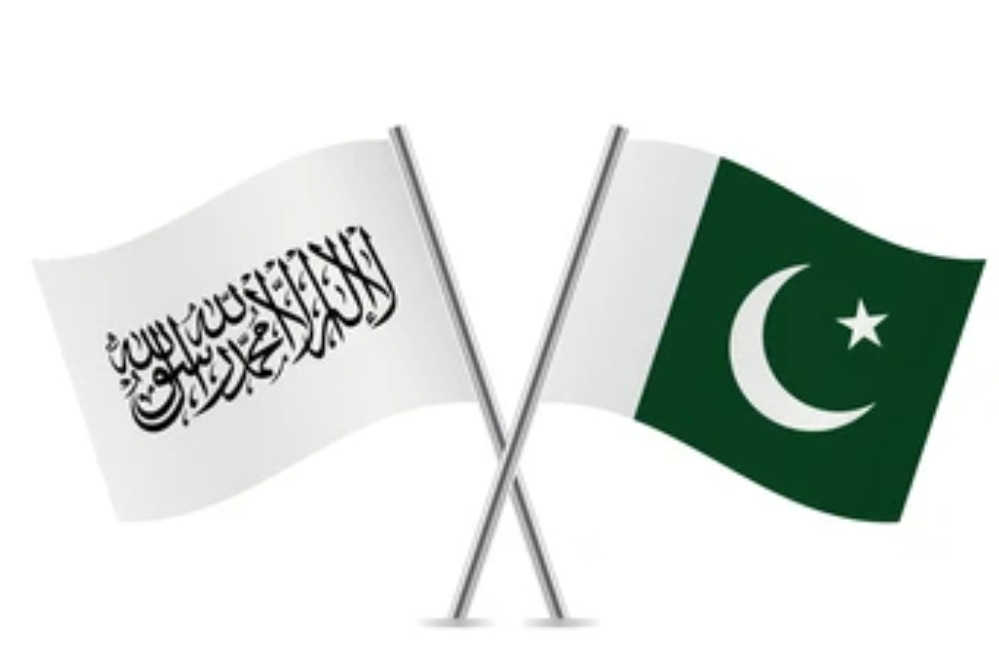 Ariana: Pakistan’s Foreign Minister says that the return of the Islamic Emirate of Afghanistan (IEA) [Taliban] has emboldened the banned Tehreek-e-Taliban Pakistan (TTP), which has been implicated in numerous attacks in the neighboring country in the past year. Responding to the increase in terror attacks in Pakistan, Zardari said that it was clear that the return of the IEA had emboldened the TTP. “If Afghan Taliban (IEA) blame Pakistan, that would first hurt its own people and then Pakistan,” he said.
  Khaama: The Pakistan Cricket Board (PCB) has officially revealed the roster for the forthcoming series against Afghanistan and the Asia Cup. As stated in an announcement on Wednesday, the country’s men’s national team has been finalized. Head of the national men’s selection committee, Inzamam-ul-Haq, unveiled the 18-player lineup for the One-Day International series against Afghanistan, set to take place in Sri Lanka from August 22 to August 26, 2023.
  Ariana: Officials of Afghanistan’s central bank said Wednesday the afghani (AFN) has in the past year strengthened by 4.4 percent against the US dollar. This comes after the afghani dropped by 10.4% in the previous year.
 8am: Despite Iran’s initial optimism about the resurgence of the Taliban group, it has become evident in the past two years that the relationship between Iran and the Taliban is not without challenges. Iran’s lenient policy towards the Taliban regime has not resulted in favorable outcomes for Iran. Since the Taliban took control of Afghanistan, there have been multiple clashes between this group and Iranian border guards. Currently, tensions and disputes persist between both sides. Despite diplomatic efforts to resolve these challenges, no significant progress has been made thus far. The main points of disagreement between the Taliban and Iran revolve around the division of water rights in the Helmand River, the issue of migrants, border conflicts, and disputes, as well as the matter of terrorism and radicalism. These differences have deep historical roots and have long been a source of tension between the two countries. However, they have intensified under the Taliban regime. This article solely focuses on the issue of water tension between Iran and the Taliban.