

Taliban Militants in Kabul (file photo)
ACLED: On 17 August 2021, two days after the fall of Kabul, the Taliban held a press conference promising amnesty for former government officials, respect for women’s rights, and freedom of the press.1 Nearly two years later, it is clear that the Taliban has upheld none of these promises, instead conducting a violent campaign of repression. Since the takeover, the Taliban has targeted former government and security officials, carried out collective punishments in areas where anti-Taliban groups have emerged, and imposed ultraconservative societal restrictions – especially on women and journalists – aimed at maintaining control. ACLED records over 1,000 incidents of violence targeting civilians by the Taliban between the fall of Kabul on 15 August 2021 and 30 June 2023, accounting for 62% of all attacks on civilians in the country. This places the Taliban regime in Afghanistan among the world’s top government or de facto state perpetrators of violence targeting civilians domestically since August 2021, behind only the military junta in Myanmar. Click here to read more (external link).
Related
 Reuters: A bipartisan group of U.S. lawmakers called on FIFA to recognize the exiled Afghanistan women’s soccer team, in a letter sent to the sport’s international governing body on Friday. The team has been playing in exile in Australia since the Taliban took control of the Afghan government in August 2021, causing many prominent women to flee the country for fear of persecution.
 8am: Local sources in Ghazni report that in the aftermath of the assassination of the head of Taliban’s intelligence management in Khaja Omari district, the Taliban have detained and allegedly tortured at least 40 civilians. Sources confirmed to Hasht-e Subh on Thursday, August 10th, that over the course of this week, the Taliban have incarcerated this number of civilians who reside in Qal-e Naw village within this district. According to sources, the detained individuals face daily brutal beatings at the hands of prison guards affiliated with the Taliban.
  Radio Free Europe/Radio Liberty
 By
By 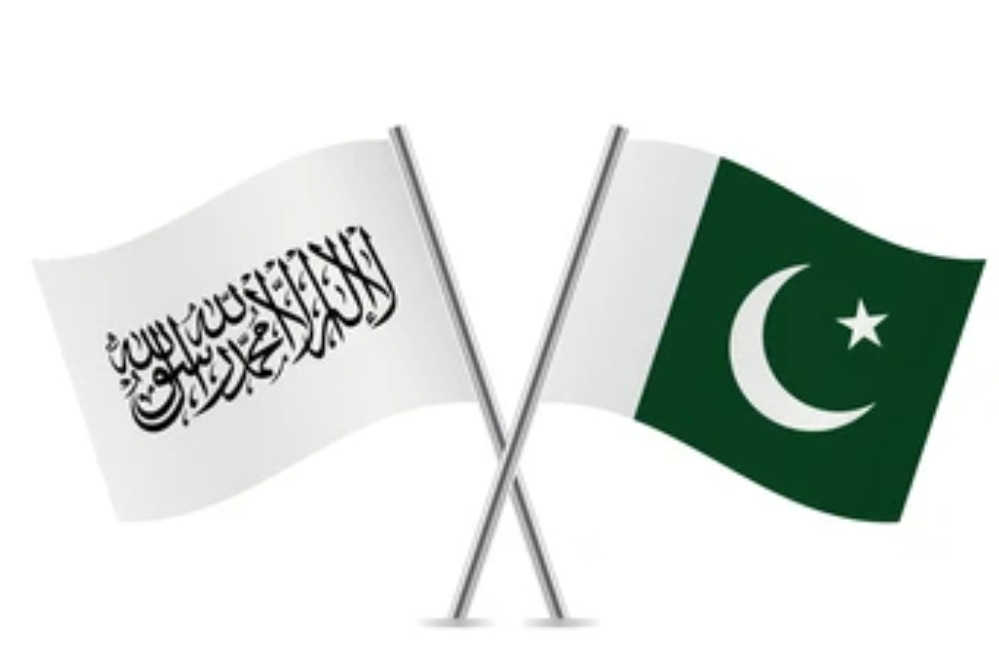 Ariana: Pakistan’s Foreign Minister says that the return of the Islamic Emirate of Afghanistan (IEA) [Taliban] has emboldened the banned Tehreek-e-Taliban Pakistan (TTP), which has been implicated in numerous attacks in the neighboring country in the past year. Responding to the increase in terror attacks in Pakistan, Zardari said that it was clear that the return of the IEA had emboldened the TTP. “If Afghan Taliban (IEA) blame Pakistan, that would first hurt its own people and then Pakistan,” he said.