
 Afghanistan International: The UN Food and Agriculture Organization (FAO) says widespread rainfall continues across Afghanistan, with heavy downpours expected in central, eastern and south-eastern regions over the next week. FAO said that while rainfall benefits crop growth, heavy downpours increase the risk of flooding in urban and rural areas, potentially damaging farms, infrastructure and vulnerable livelihoods. Click here to read more (external link).
More

 Khaama: Afghanistan has once again been ranked the world’s unhappiest country, according to the latest World Happiness Report published on Saturday. Finland topped the global ranking again, while Afghanistan remained at the very bottom of the list. Afghanistan had also been ranked the world’s saddest country in last year’s report, underlining the country’s continued struggle with low life satisfaction and worsening social conditions.
  Amu: The Public Health Ministry is one of Afghanistan’s most aid-dependent institutions, relying heavily on international funding to sustain basic services. The case also highlights broader questions about governance under the Taliban, who have repeatedly claimed to have eliminated corruption. The latest allegations, if substantiated, suggest that patronage networks and internal rivalries may continue to shape key institutions.
  8am: Some Kabul residents told the Hasht-e Subh Daily that the Taliban have created conditions in which the process of handling theft cases is marked by delays and negligence. According to them, even to follow up on a simple theft case, people must wait for hours, wander between various Taliban institutions, and ultimately face standard responses such as “we will investigate” or “there is not enough evidence.” They stress that this situation has increased the sense of insecurity among the public.
 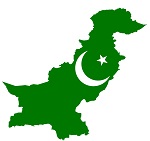 Amu: In a statement posted on social media, Hamdullah Fitrat, the Taliban deputy spokesman, said that from Feb. 22 to April 3, at least 761 civilians were killed and 626 others injured in Pakistani attacks across multiple provinces. The strikes, he said, targeted areas in Kabul as well as the provinces of Kandahar, Paktia, Paktika, Nangarhar, Khost, Kunar, Laghman and Nuristan. Alongside casualty figures, Taliban said the attacks caused extensive damage to civilian infrastructure.
  Xinhua: Driven by a combination of global supply disruptions, reduced fuel imports, and escalating transportation costs, the price of fuel in Afghanistan has surged dramatically from 55 afghanis per liter to 67 afghanis, creating a ripple effect that is felt across the nation. This price hike has placed an unbearable strain on taxi drivers, small business owners, and ordinary citizens in an already fragile economy.