
 By RFE/RL’s Radio Mashaal
RFE/RL’s Radio Azadi and
Abubakar Siddique
May 17, 2024
At least one Taliban border guard and one Pakistani soldier have been killed and several more injured in the latest border clashes between them.
The clashes continued into the early hours of May 17 after they first erupted five days ago. Pakistani and Taliban forces targeted each other in several places along the eastern Afghan provinces of Paktia and Khost, which borders Pakistan’s western Kurram district.
Most of the casualties occurred on May 15 when one Pakistani soldier was killed and six more injured after a Taliban rocket hit their post, according to official sources in the country. The Taliban also acknowledged the death of one of its fighters.
“Intense shooting is spreading a wave of fear among locals,” Imran Ali, a Pashtun tribal leader in Kurram, told RFE/RL’s Radio Mashaal on May 17.
Sameer Khan, a resident of the Teri Mangal area straddling the border, said that locals are moving to safer regions after mortar shells landed in civilian homes.
Shabbir Ahmad Usmani, a Taliban official in eastern Afghanistan, said they are collecting information on the human and material losses in the fighting.
The clashes erupted on May 13 after Pakistani forces began repairing the barbed-wire fence it first erected in 2017 to demarcate the Durand Line border, which no government in Afghanistan has formally recognized after it was first drawn by the British Empire in India in 1893.
Relations between Afghanistan’s Islamist rulers and Pakistan have been tense since the Taliban returned to power in 2021. Islamabad blames the Taliban for sheltering the Tehrik-e Taliban Pakistan (TPP), a longtime ideological and organizational ally of the Taliban.
The recent tensions were partly flamed by an alleged Pakistani air strike in the southeastern Paktika Province, reportedly targeted by the Pakistani Taliban.
On May 12, at least seven Pakistani soldiers were killed and two more injured in two separate militant attacks in Pakistan’s North Waziristan district, which borders Paktika.
Ihsanullah Tipu Mehsud, director of news at the Khorasan Diary, a website tracking militant groups in Afghanistan and Pakistan, says the Taliban blames Islamabad’s border fence for the tensions. At the same time, Pakistani authorities allege that the TTP is exploiting the border to infiltrate Pakistan with the help of the Taliban.
“Unlike previous Afghan regimes led by Karzai and Ghani, which largely relied on verbal criticisms over border issues, the Taliban has resorted to force,” he said, referring to former Afghan presidents Hamid Karzai and Ashraf Ghani.
He said that the clashes have severely disrupted trade between the two countries, wreaking havoc among the Pashtun border communities in the two countries.
“Border tensions not only disrupt trade but also undermine trust,” he said. “This underscores the pressing need for a peaceful resolution to this long-standing dispute.”
But both the Taliban and Islamabad have been silent over the clashes, which experts say might indicate a complete breakdown in their relations.
 Ayaz Gul
 Khaama: Officials from the Mental Health Department of the Herat Regional Hospital have reported a concerning increase in the number of women suffering from mental illnesses. According to the report, at least eighty per cent of those seeking help at the Herat Psychotherapy Hospital are women and girls. According to a United Nations report, since the Taliban’s return to power in August 2021, women in Afghanistan have been grappling with deep and increasing psychological issues. With the Taliban’s return to power, women face widespread restrictions. Girls are prevented from attending schools and universities, and women are barred from working. Since the Taliban’s takeover in Afghanistan, they have prohibited girls from attending school beyond the sixth grade. This restriction has contributed to mental health issues among young girls, leaving them with a bleak future.
  Tehran Times: The deputy governor of the Central Bank of Iran (CBI) said that talks are ongoing between the two countries for the implementation of “offshore rial’ in Afghanistan. Mohsen Karimi pointed out that ‘offshore rial’ is used with the aim of supporting the economic activists and exporters of the private sector of the country. The project of ditching the US dollar and using rial in foreign trade exchanges has always been followed up by the government of the Islamic Republic of Iran to neutralize sanctions, he underlined.
  AFP: For Afghans living under Taliban rule, a Saturday market is a rare chance to cross the border into neighbouring Tajikistan and pick up food and household goods. The popular bazaar in the small town of Kalai-Khumb — about six hours’ drive east from the Tajik capital Dushanbe — has reopened after being shut down after the Taliban retook control of Afghanistan in 2021. Tajikistan, which shares a winding 1,350-kilometre (840 mile) border with Afghanistan, designates the Taliban a terrorist organisation.
 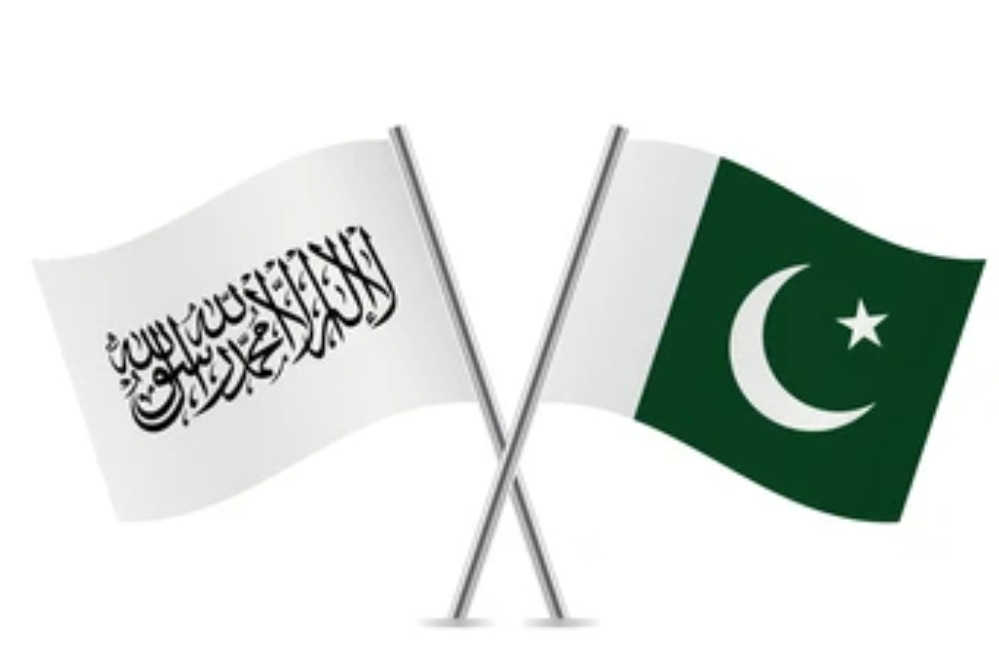 Afghanistan International: Sources informed Afghanistan International that on Wednesday, the Taliban and Pakistani border forces clashed in the Dand Wa Patan district of Paktia province. According to the sources, the reason for the conflict was the construction of an outpost by Pakistani forces at the zero point between the two countries. Audio recordings obtained by Afghanistan International reveal relatively intense gunfire between the Taliban and Pakistani border forces.
  Khaama: After the fall of the Taliban in 2001, the United States poured billions of dollars into Afghanistan for reconstruction efforts. However, many U.S. contractors and former Afghan officials were accused of misusing these funds. Today, some contractors and former officials own luxury properties in Dubai. An investigative journalism organization has released a list revealing the assets of hundreds of current and former government officials and institutions from various countries in Dubai. This list, compiled from leaked information, includes names of ten individuals from Afghanistan, primarily consisting of former government officials or their relatives.