
 Afghanistan International: Mohebullah Mirzad Bandari, a former commander aligned with Abdul Rashid Dostum and a former member of the Faryab Provincial Council, was killed in an armed attack by unidentified gunmen in the city of Maimana, sources told Afghanistan International. Click here to read more (external link).
UN experts urge immediate halt to deportations of Afghan migrants

Amu: UN human rights experts, including special rapporteur Richard Bennett, on Friday condemned the mass forced returns of Afghan nationals from Iran and Pakistan, calling the scale of deportations “staggering” and warning that Afghanistan remains unsafe for returnees, nearly four years after the Taliban seized power. “Returns must be halted immediately,” the experts said. “Afghanistan is not a safe country for returnees, given the constantly deteriorating human rights situation since the Taliban seized control.” The experts warned that returnees—many of them refugees—face real threats of persecution, violent reprisals, and severe hardship. They pointed to growing dangers for former government employees, security personnel, human rights defenders, journalists, and members of ethnic and religious minorities. Click here to read more (external link).
Related
Moscow’s Recognition of the Taliban Will Backfire
 Niloar Sakhi via FP: Recognizing Afghanistan’s extremist leaders will fuel radicalism. Nearly four years after the Taliban’s reconquest of Afghanistan, Moscow has formally recognized the Taliban regime as the legitimate government of Afghanistan—a move that has been welcomed by China. Moscow’s decision is an invitation for other states in the region, from China to India to Iran, to follow suit in recognizing the Taliban. But it may also backfire on Russia. Click here to read more (external link).
Tolo News in Dari – July 18, 2025
British diplomat reaffirmed support, continued contacts, Taliban say
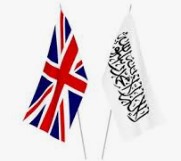 Amu: Taliban say that Robert Dickson, Britain’s chargé d’affaires for Afghanistan, met on Friday in Kabul with Abdul Kabir, the Taliban’s acting minister for refugees, and reaffirmed London’s commitment to continue humanitarian support to Afghanistan and maintain contacts with them. According to a statement from the Taliban, Dickson told Taliban officials that the United Kingdom had allocated 1.1 billion Afghanis (approximately $15 million) in aid for Afghan returnees, to be distributed through United Nations agencies. He also expressed Britain’s intention to maintain open lines of communication with the Taliban, despite the lack of formal diplomatic recognition. Click here to read more (external link).
Over 200 Former Afghan Troops Killed Since UK Data Leak, Says Report
 Afghanistan International: More than 200 former Afghan soldiers and police officers have reportedly been identified and killed by the Taliban since the leak of personal data belonging to Afghans who worked with British forces, according to an investigation by The Daily Telegraph. In a report published Wednesday, the British newspaper revealed that the killings began after a list containing details of approximately 19,000 UK-affiliated Afghans was leaked online in February 2022. While it remains unclear whether all the victims were on the leaked list, The Telegraph noted that the UK government has not released the names of those affected. Citing two Taliban officials, the report said a special Taliban unit known as “Yarmok 60” was assigned to track down and detain individuals named on the list. The unit has reportedly carried out arrests and executions across several provinces. Click here to read more (external link).
Related
- How were identities of thousands of Afghans leaked by UK military?
- Britain left me behind. Now the Taliban are hunting me down
- Taliban’s Kill List Exposes Brutal Repression and Impunity in Afghanistan
- Former member of border forces shot dead in Khost: Sources
- Revealed: How Tories tore themselves apart over Afghan leak
- British spies and special forces exposed in Afghan data leak
- I blew the whistle on Afghan leak, then Government silenced me
Tolo News in Dari – July 17, 2025
Tajikistan Begins Forced Deportation of Afghan Refugees Ahead of Expiry of 15-Day Deadline
 Khaama: As the 15-day deadline set by Tajik authorities for Afghan refugees nears its end, reports indicate that the government has already begun forcefully deporting more individuals. According to multiple sources, over 150 people were rounded up from local markets and public areas yesterday and deported from the country. Among those deported are men, women, elderly individuals, and minors under the age of 18. In many cases, families have been separated—children deported while their parents remain in Tajikistan, or spouses removed while their partners and children are left behind. The abrupt and aggressive nature of the deportations has caused widespread distress among the Afghan refugee community. Click here to read more (external link).
Russia Calls for Inclusive Political Structure in Afghanistan, Highlighting Ethnic Representation

Lavrov
Khaama: Russia emphasizes the need for an inclusive political structure in Afghanistan, stressing the importance of ethnic representation in governance. Russian Foreign Minister Sergey Lavrov, at the conclusion of the Shanghai Cooperation Organization (SCO) Foreign Ministers’ meeting in China, called for “national unity” in Afghanistan and the involvement of various ethnic and political groups in the country’s power structure. Lavrov emphasized that nearly all members of the organization have strengthened their bilateral relations with the Taliban. Click here to read more (external link).
Tolo News in Dari – July 16, 2025